Production photos by Steve Gregson
Set and Costume Design for New Writing | Jermyn Street Theatre
Directed by Philip Wilson
Written by Orlando Figes
Lighting Design by Catja Hamilton
Sound Design by Harry Blake
Associate Design by Lucy Fowler
Production Management by Lucy Mewis McKerrow
Scenic Construction by Adam Smith
Cast: Bob Barrett, Peter Hannah, Giles Taylor, Norma Atallah, Rosalind Lailey
‘Madame Bovary made Gustave Flaubert the most famous writer in Paris, but thanks to a bad publishing deal he’s barely earned enough cash for a croissant – let alone enough to indulge his appetite for oysters. In fact, he’s flat broke. His friends Zola and Turgenev beg him to dumb down his work for the masses, but Gustave isn’t compromising. There’s only one thing for it – Flaubert must find a job.’
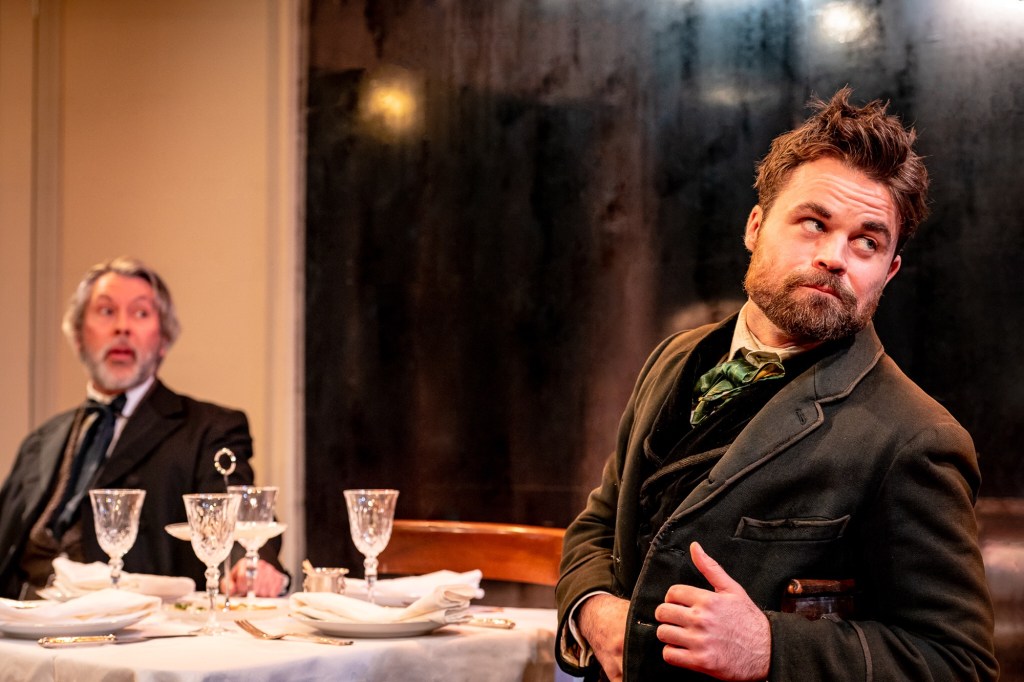
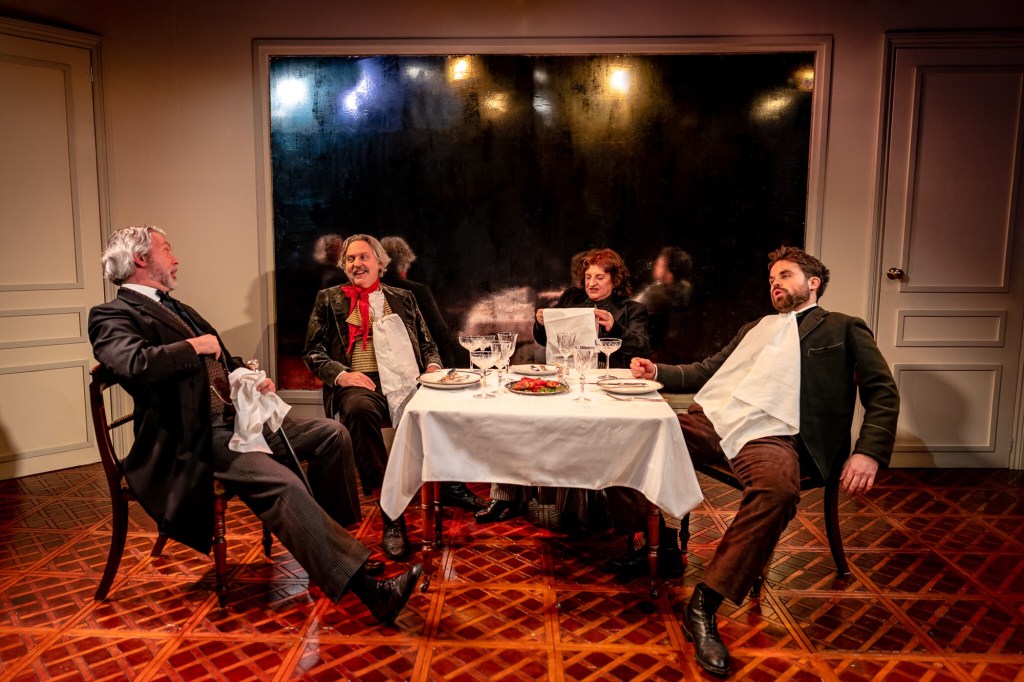
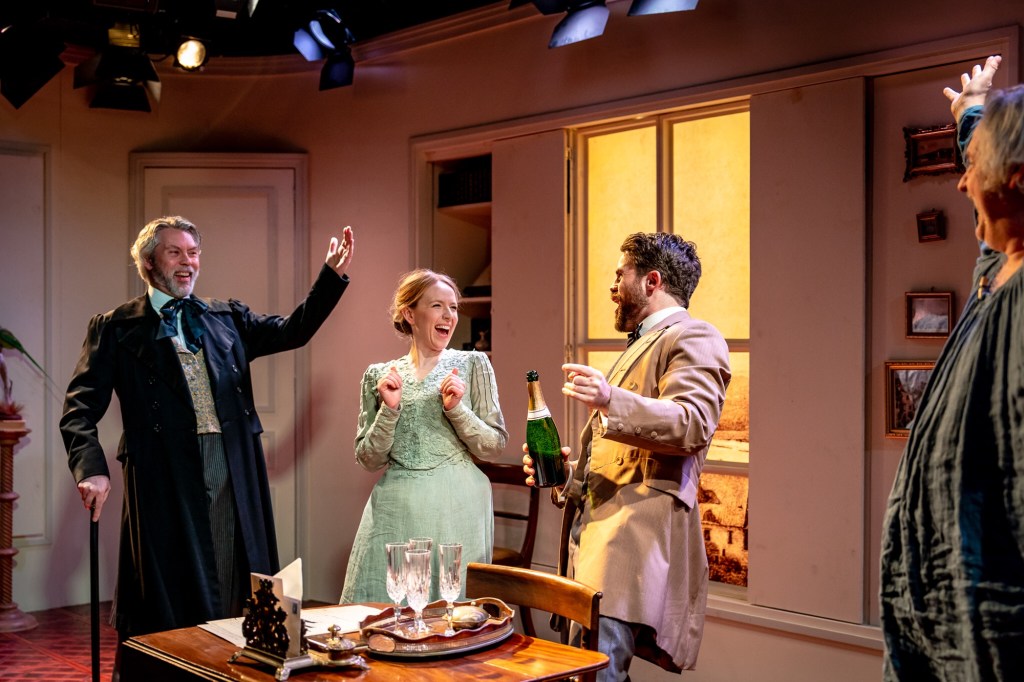
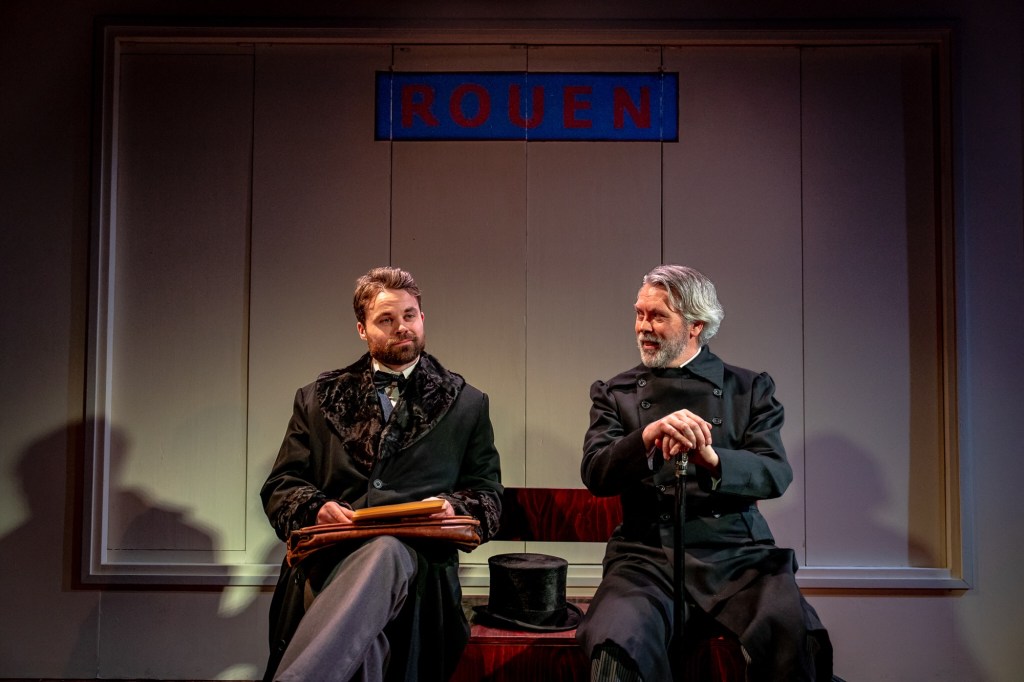
The Oyster Problem posed an interesting challenge for the director Philip Wilson and me. In the tiny JST we had to create a Parisian restaurant, Flaubert’s pied-à-terre in Paris, his countryside Manor in Rouen and finally Rouen station in a moment of contemplation after Flaubert’s death.
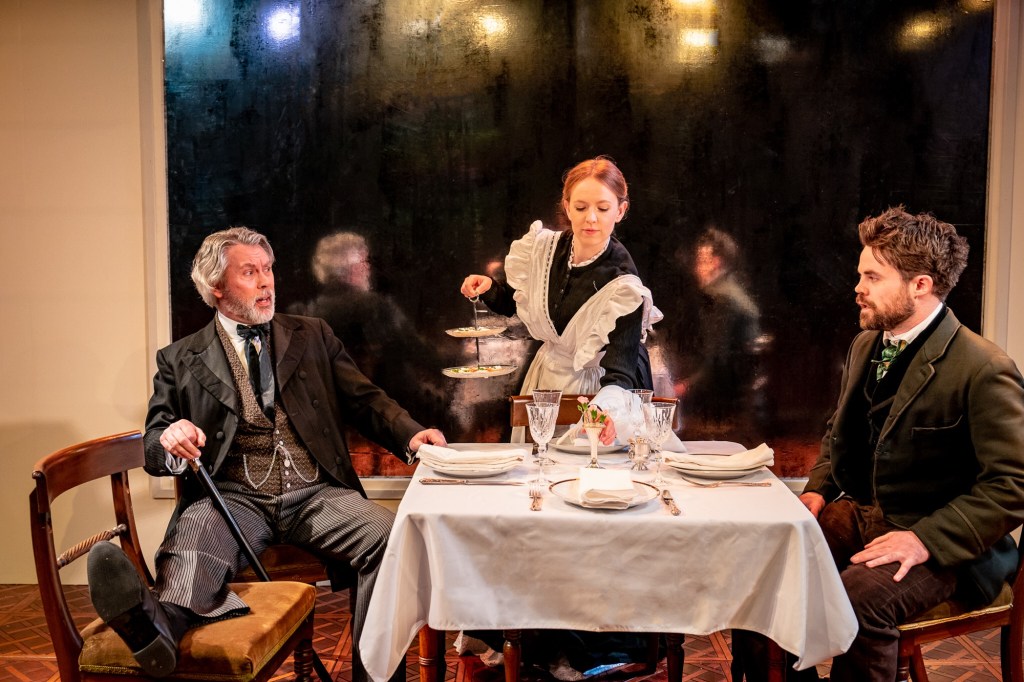
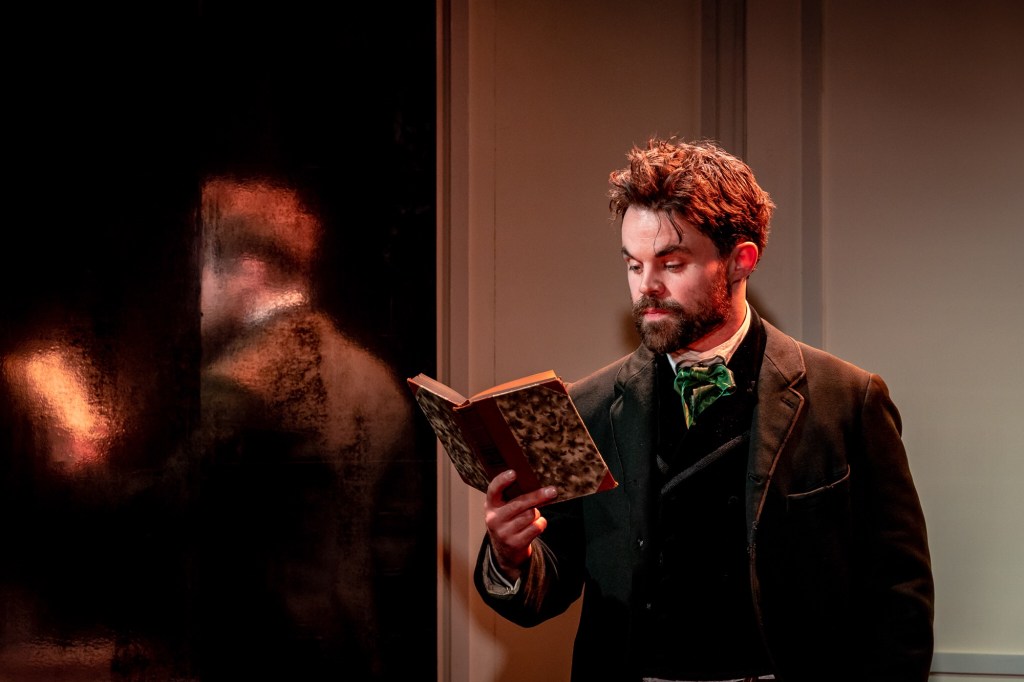
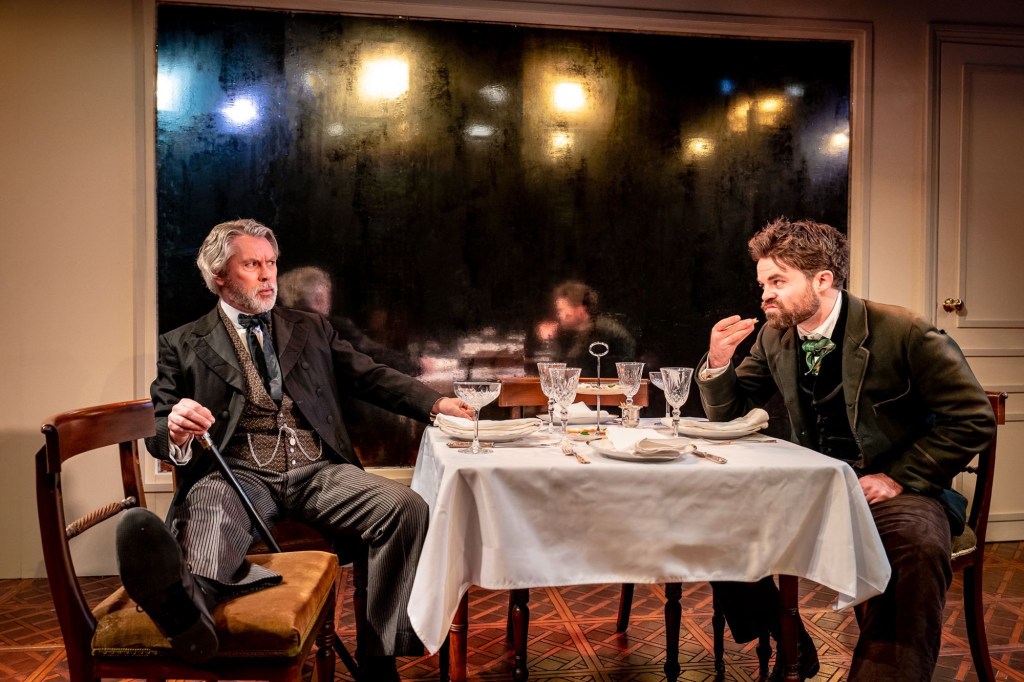
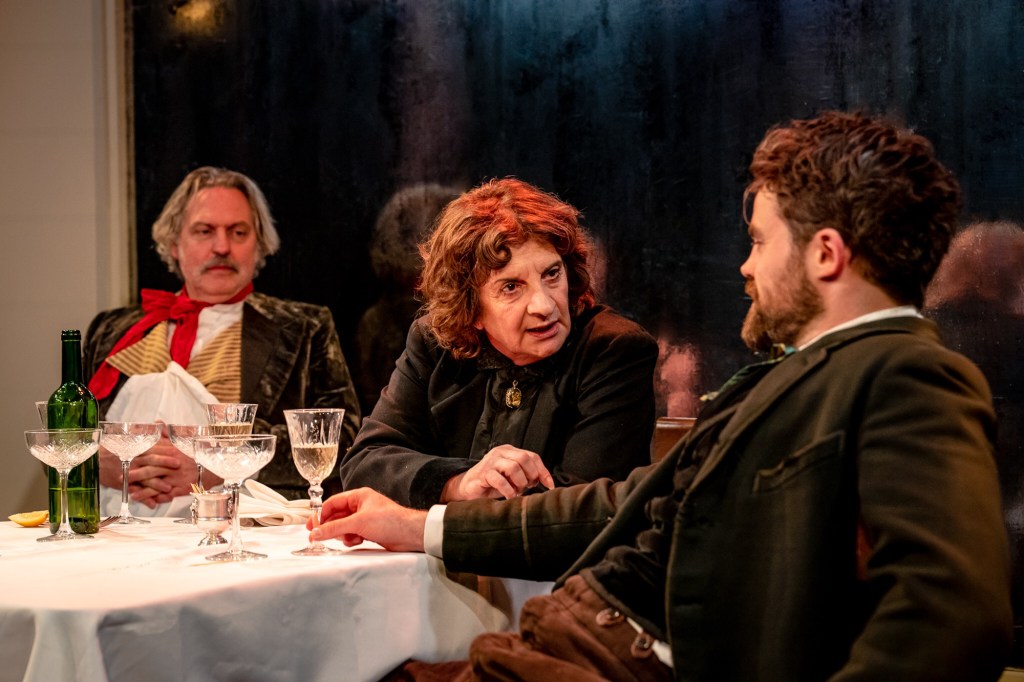
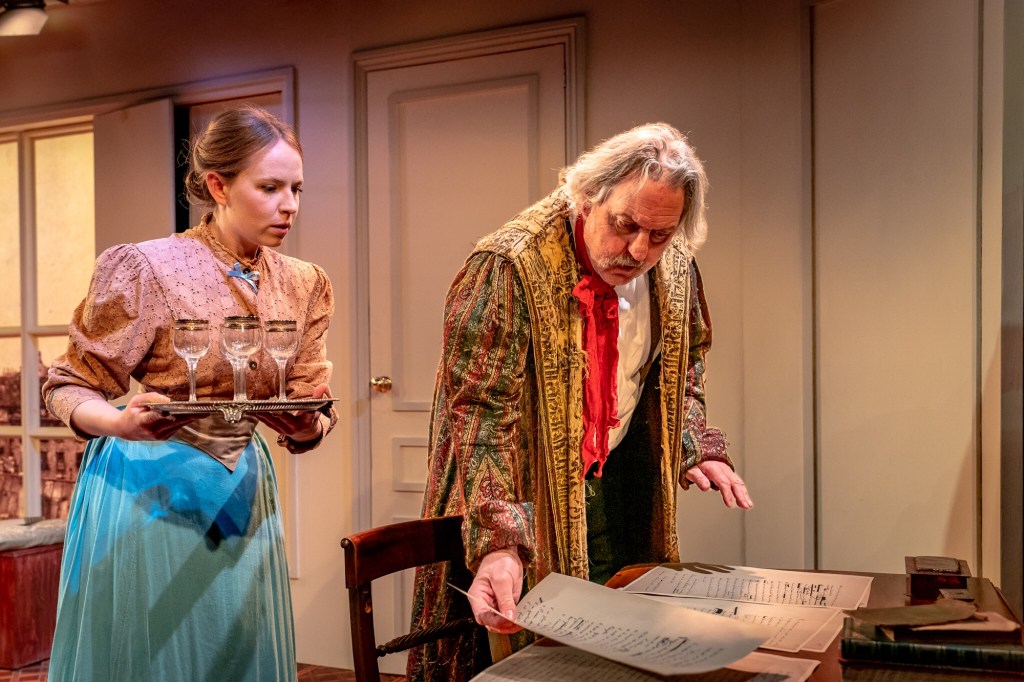
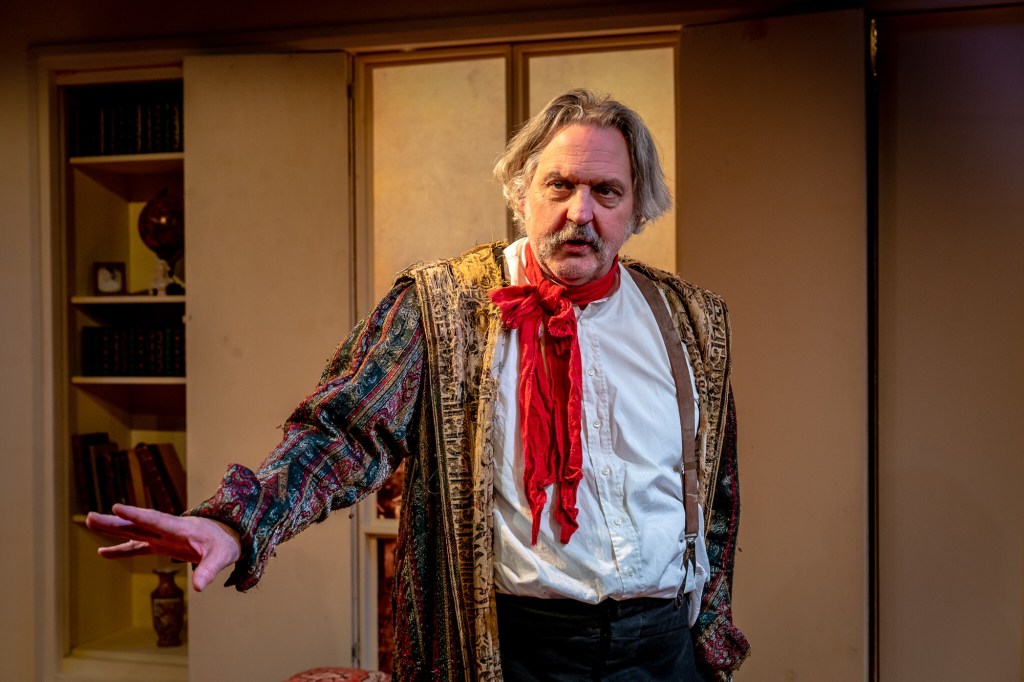
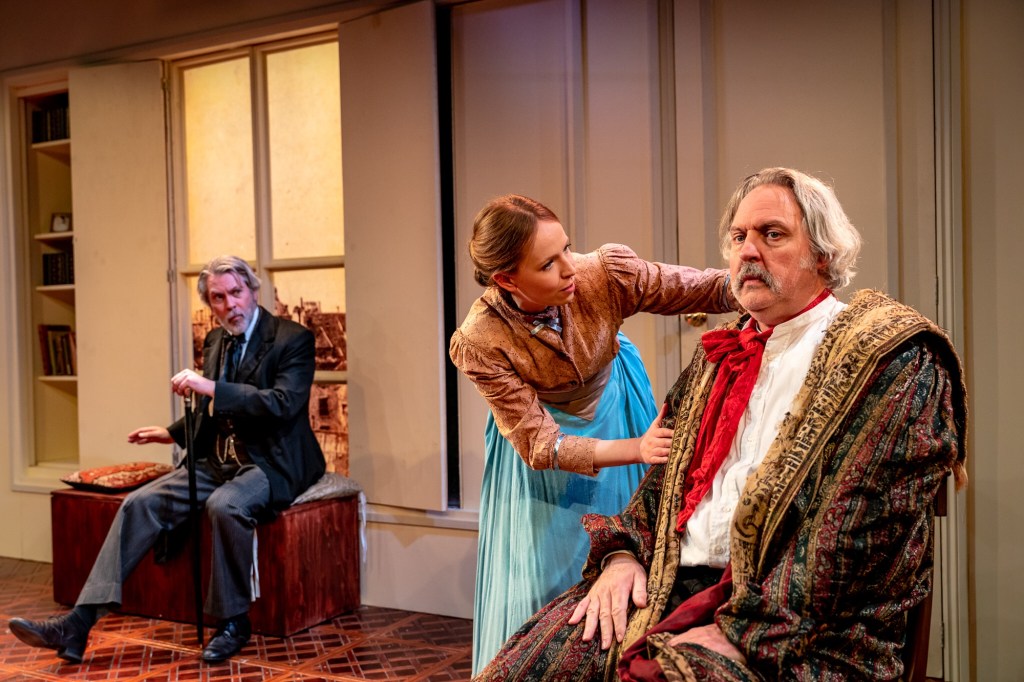
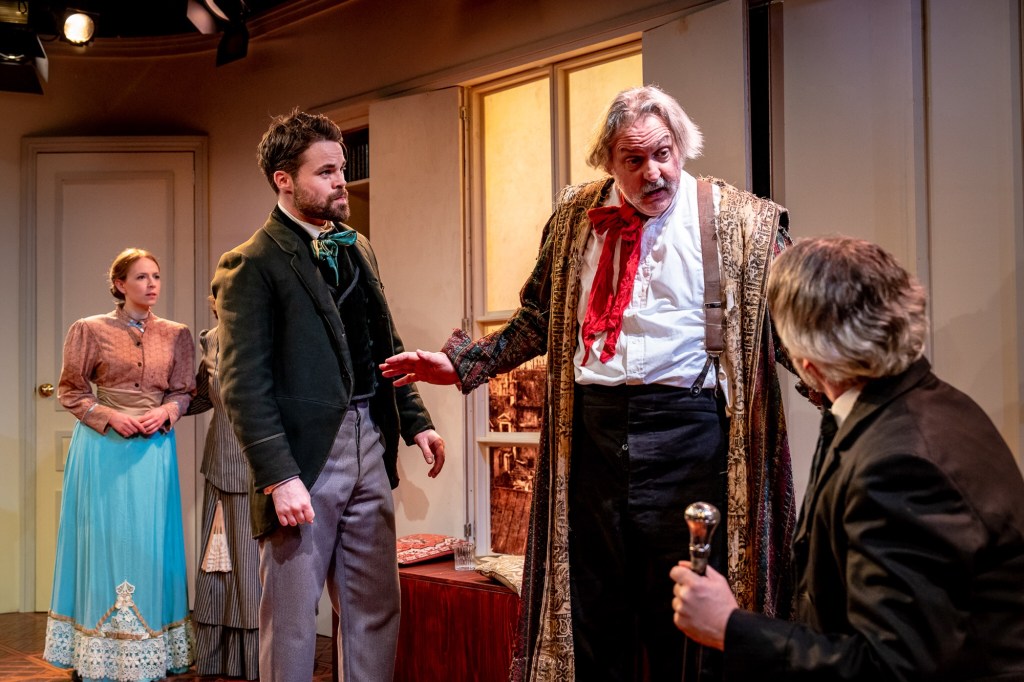
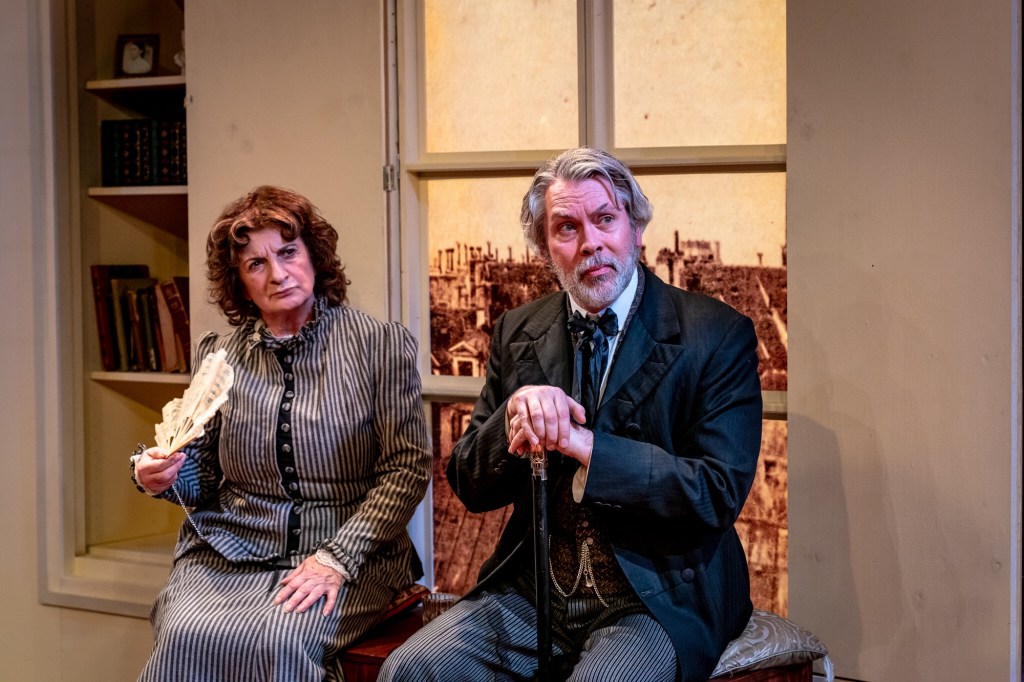
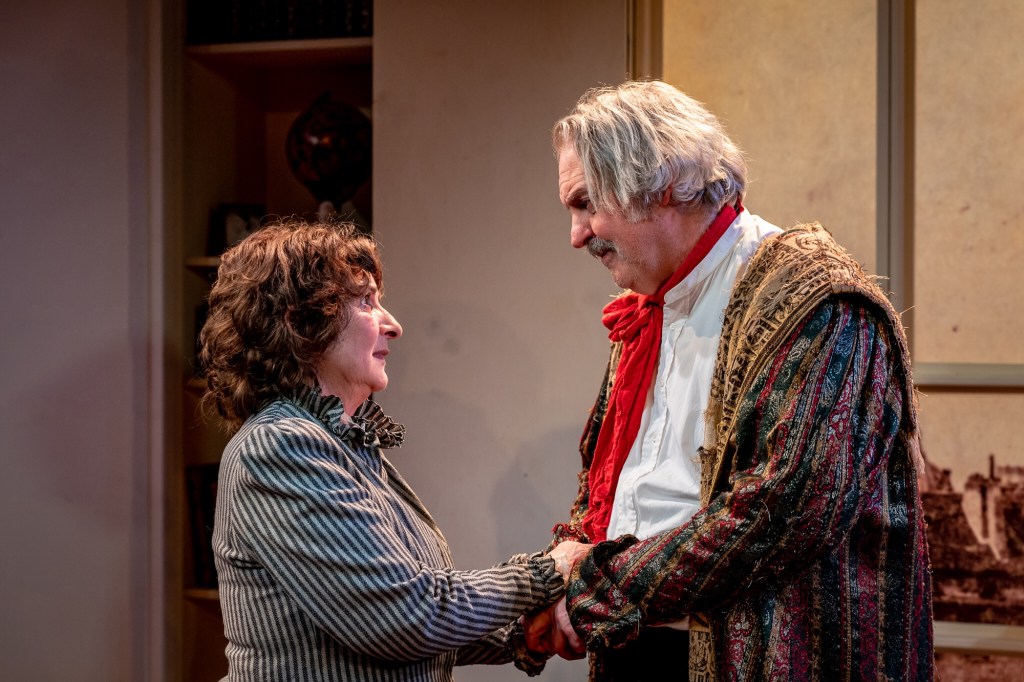
The design was heavily inspired by French interior architecture, elegantly curved panelled walls, soft colours and tarnished mirrors. The window views were adapted from original photos from the time of Paris and Rouen, creating a step away from realism and an insight into the history of the work.
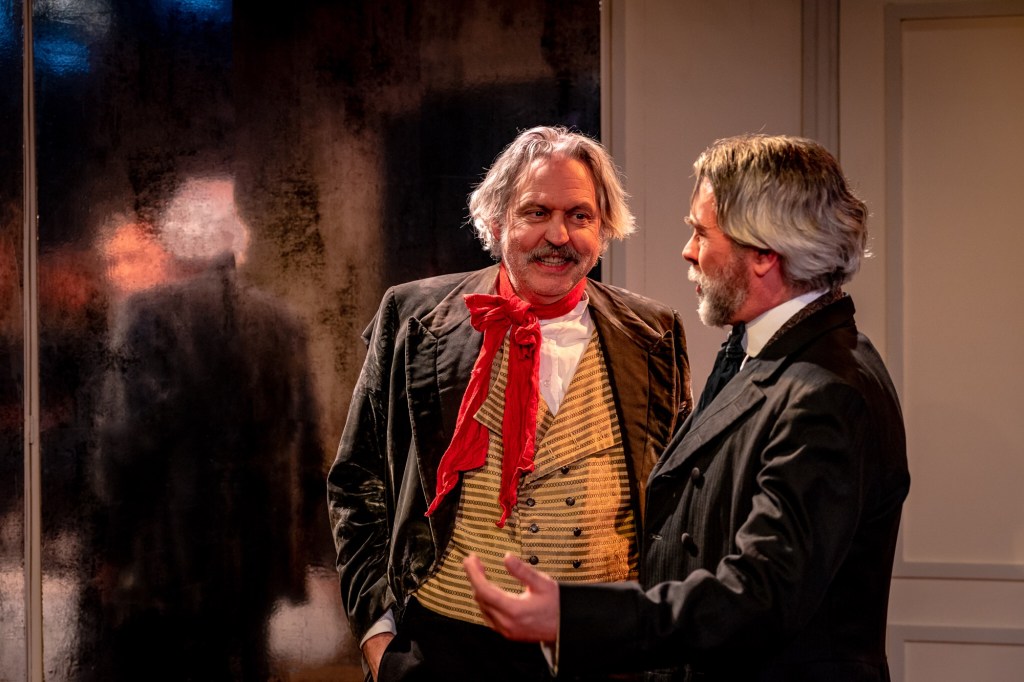
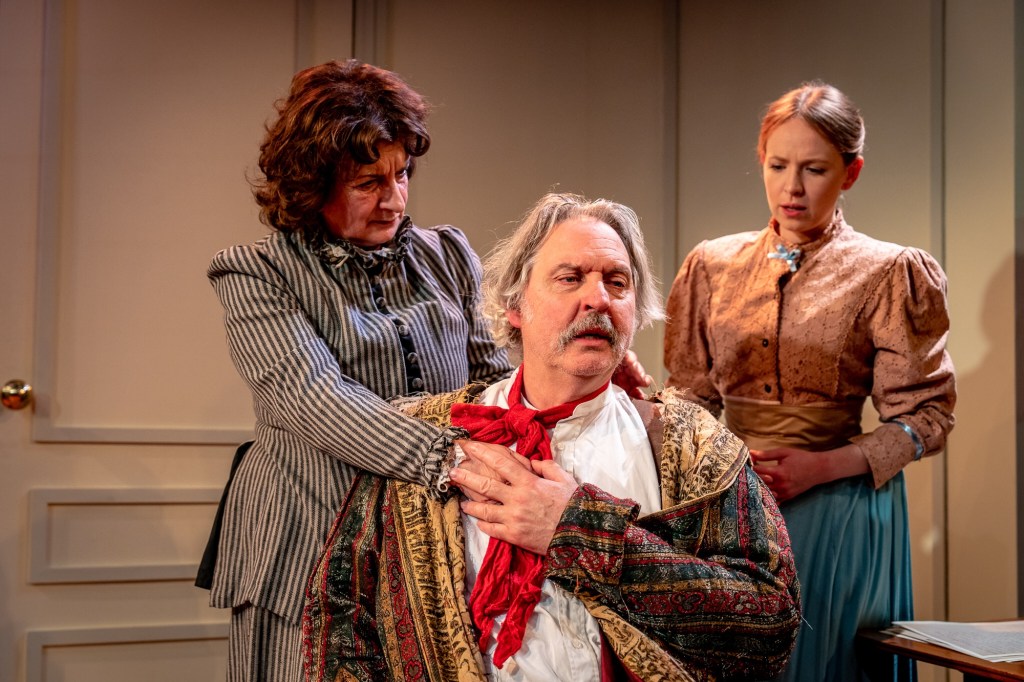
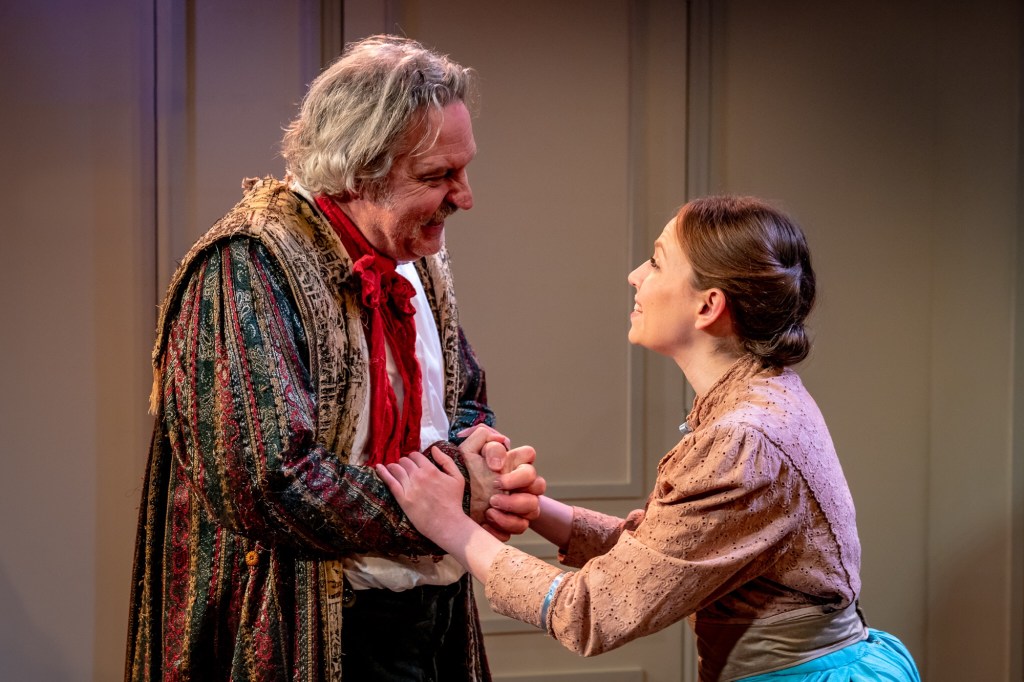
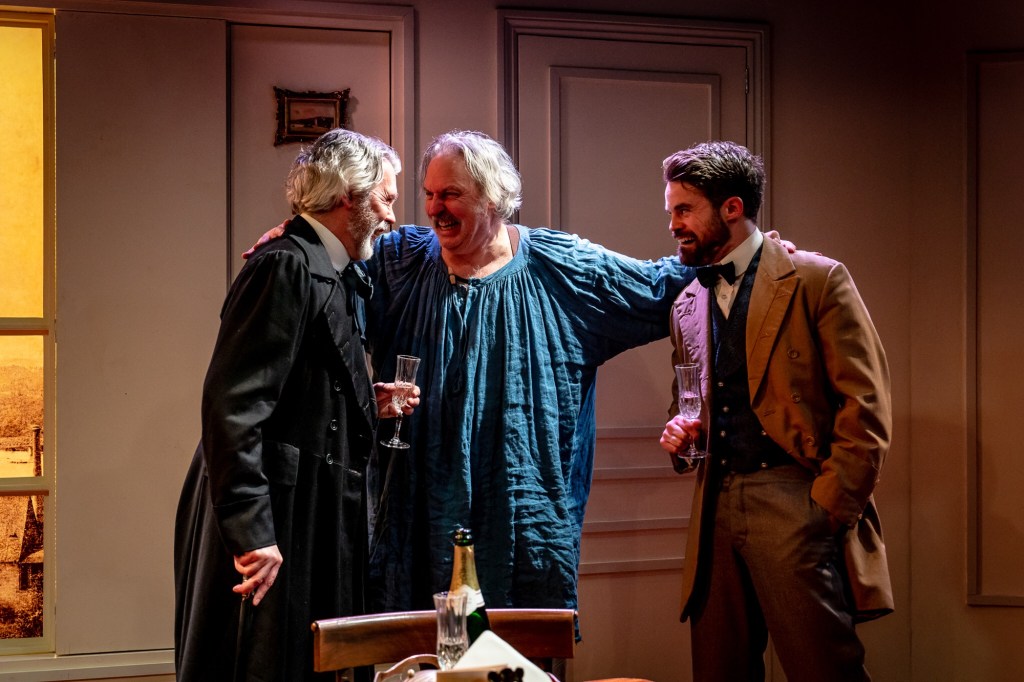
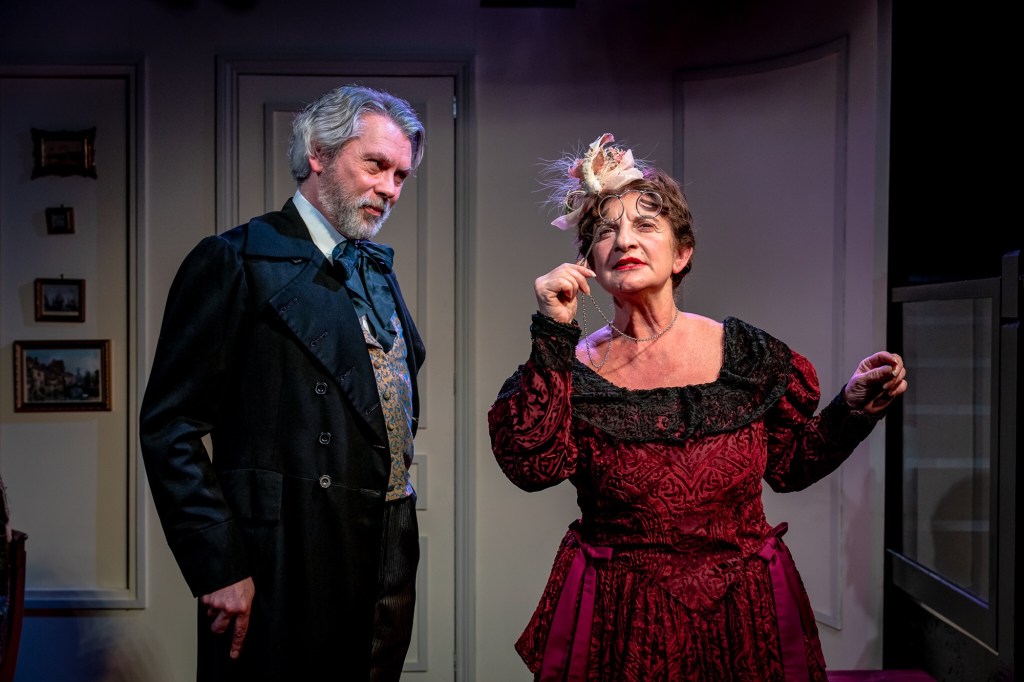
Costuming the characters were carefully considered to reflect the real life writers, with elements of the accounts of their lives and time passing through the play to create realism and a relationship with each other and within the small theatre.
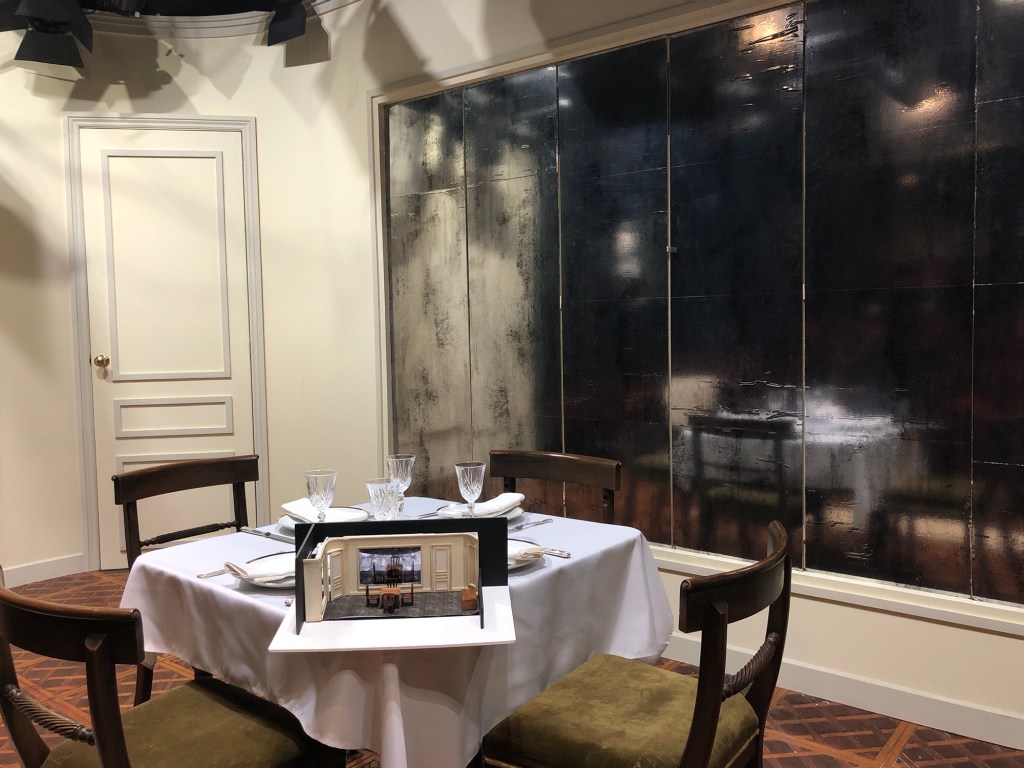
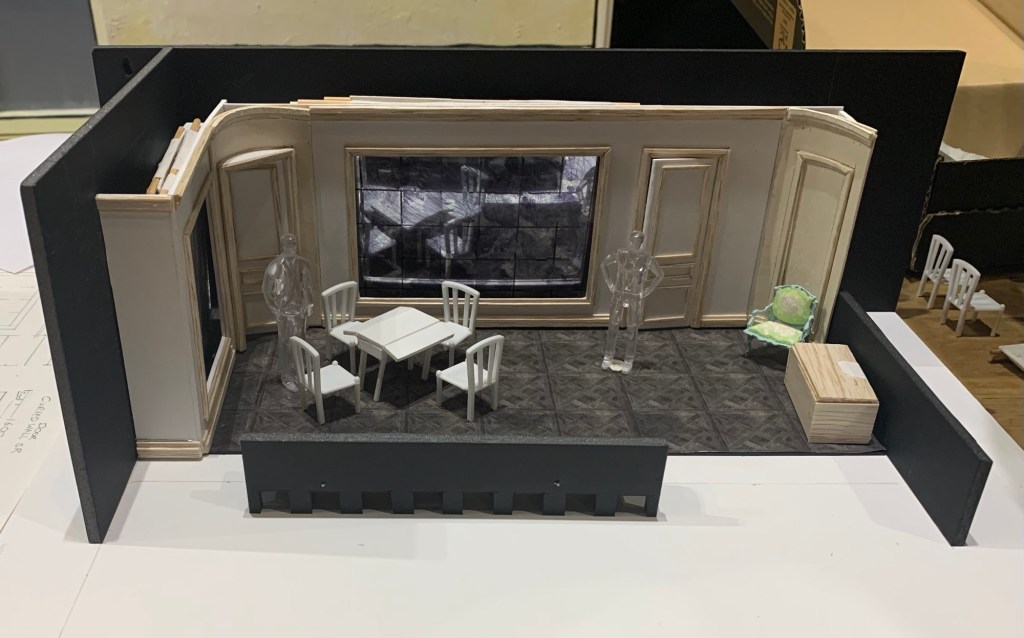
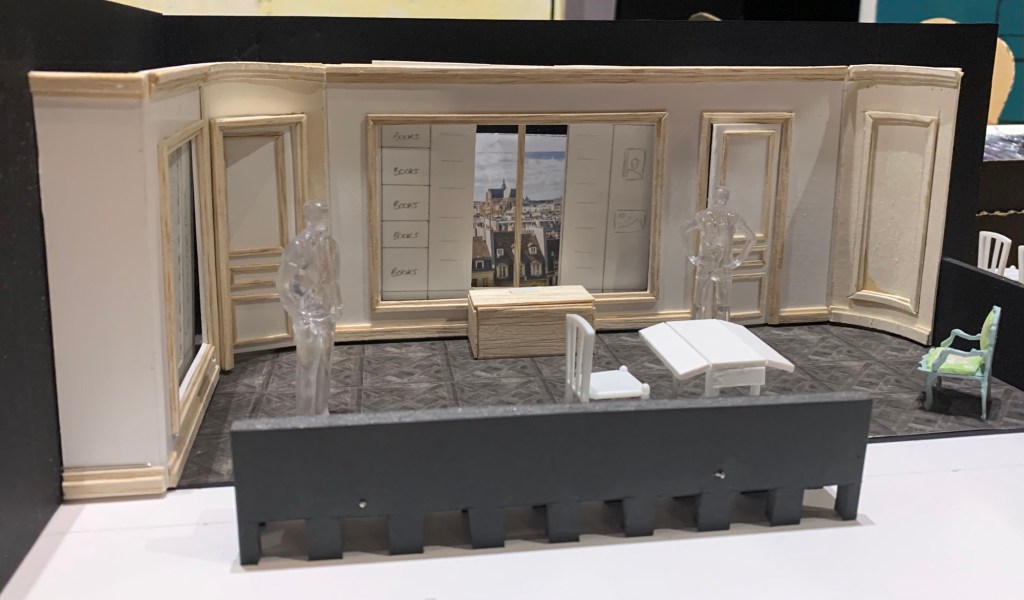

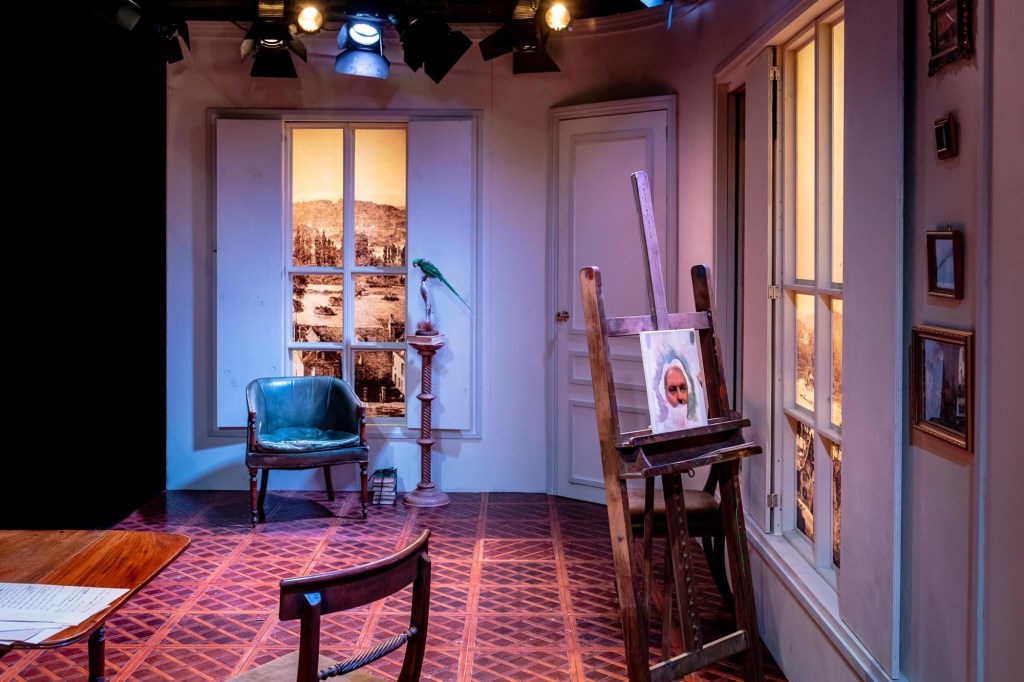
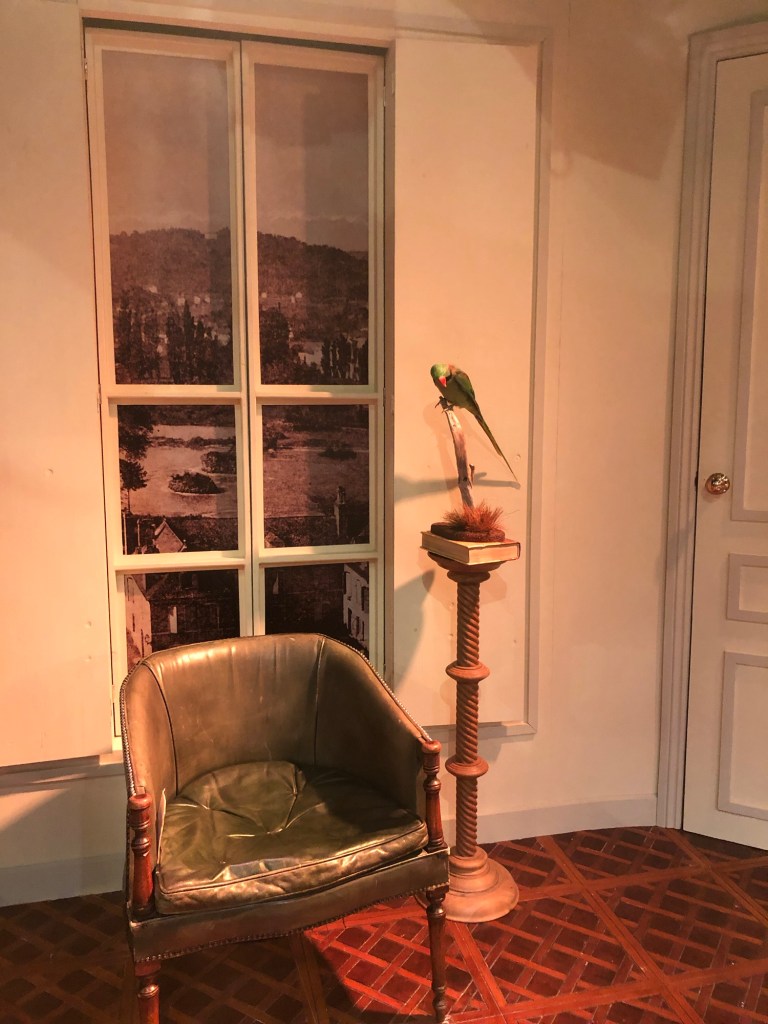
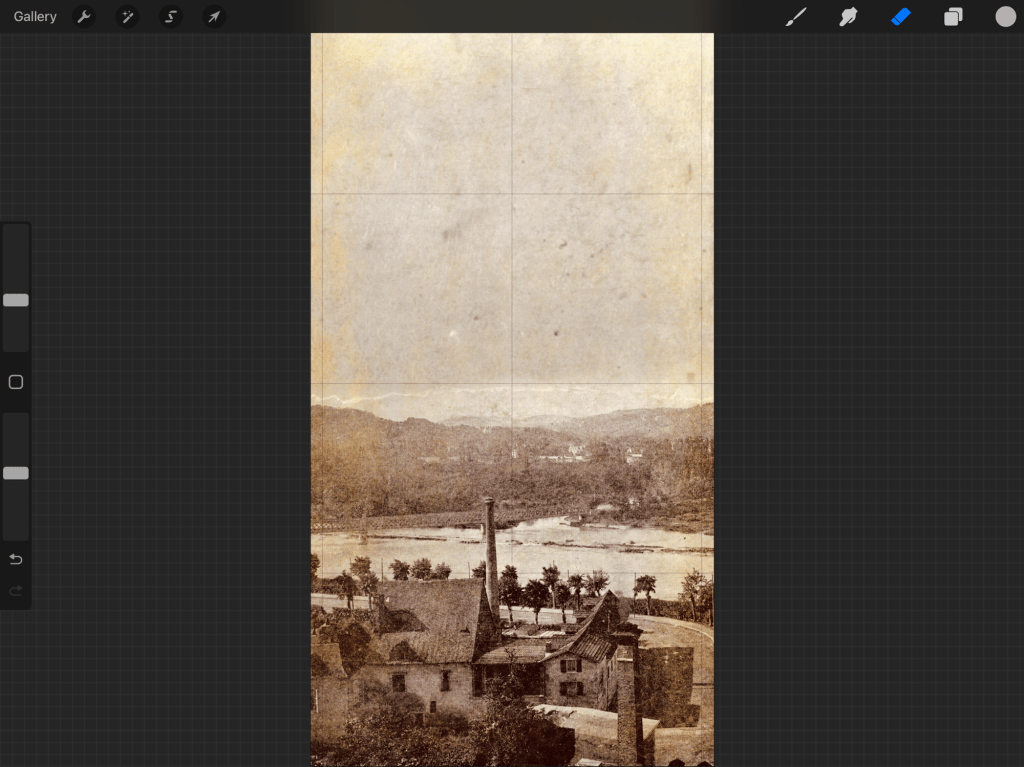
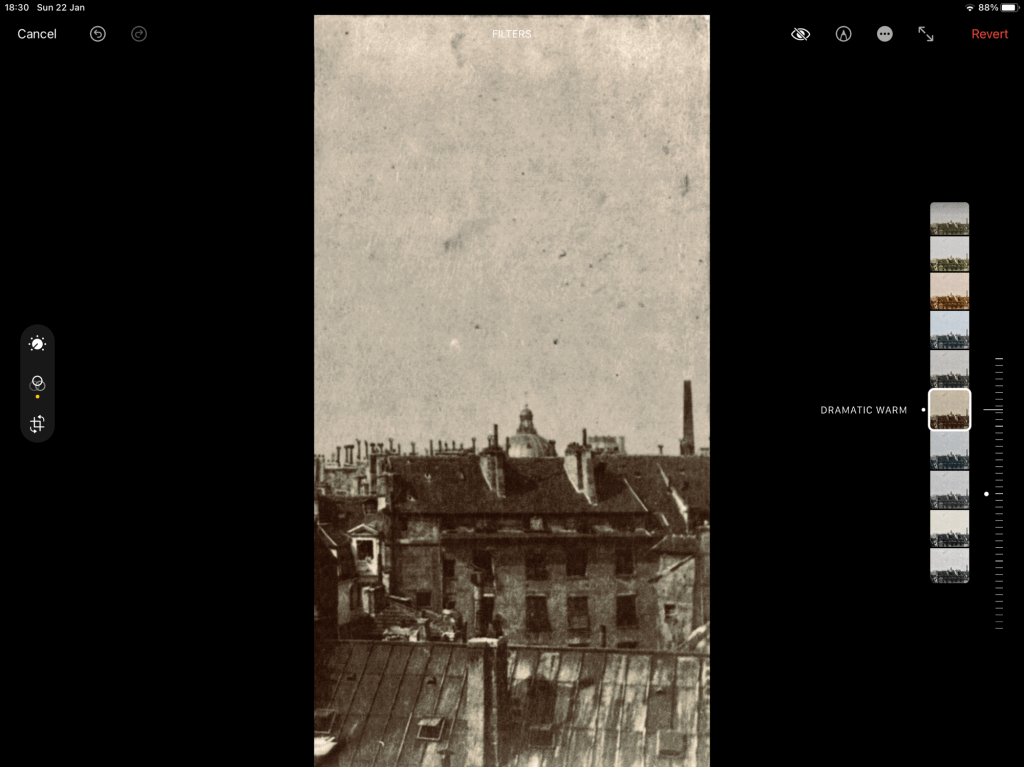
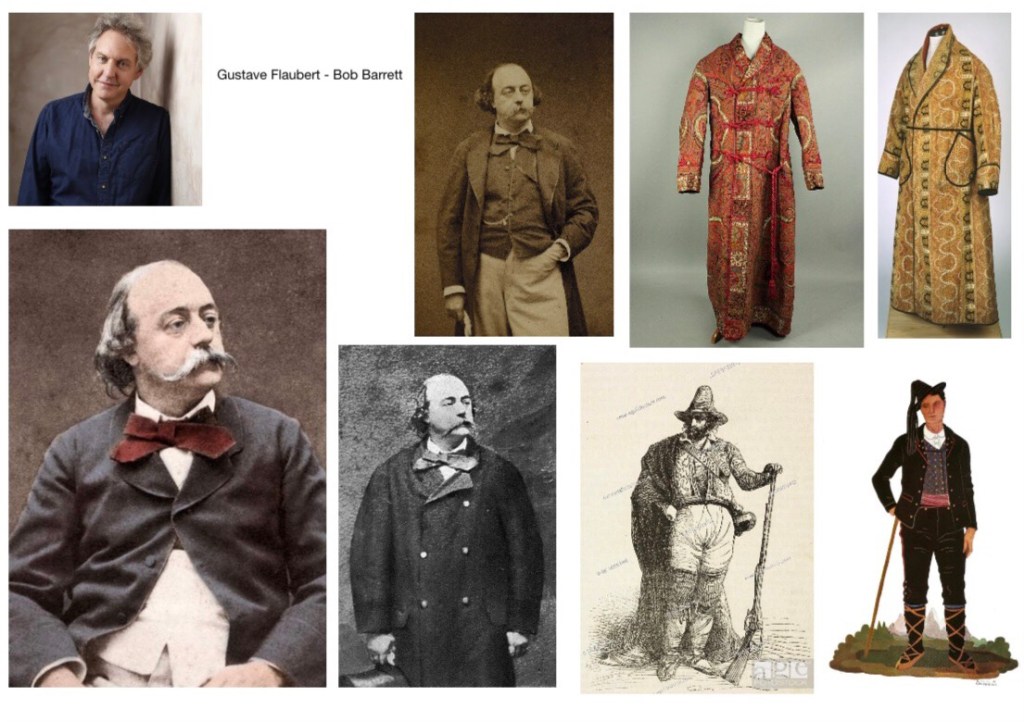

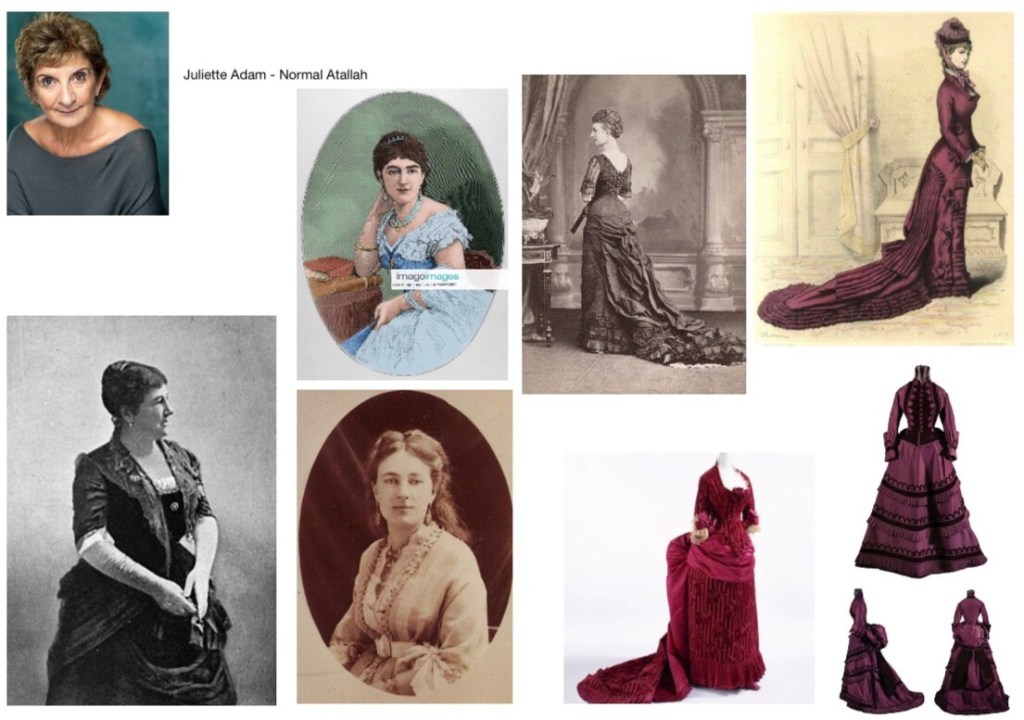
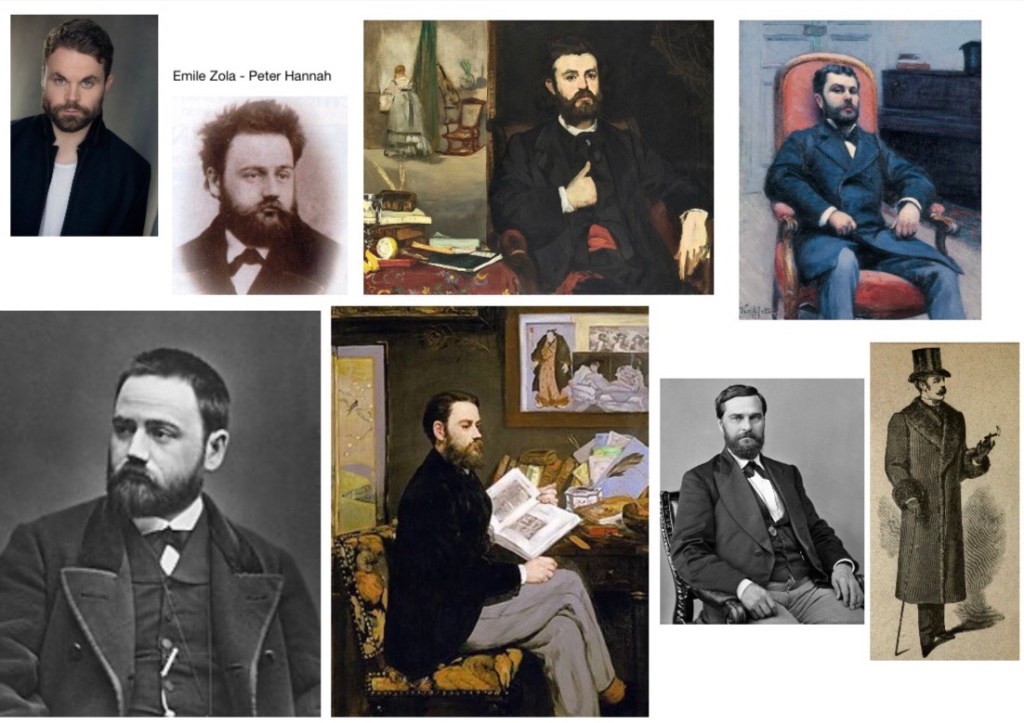

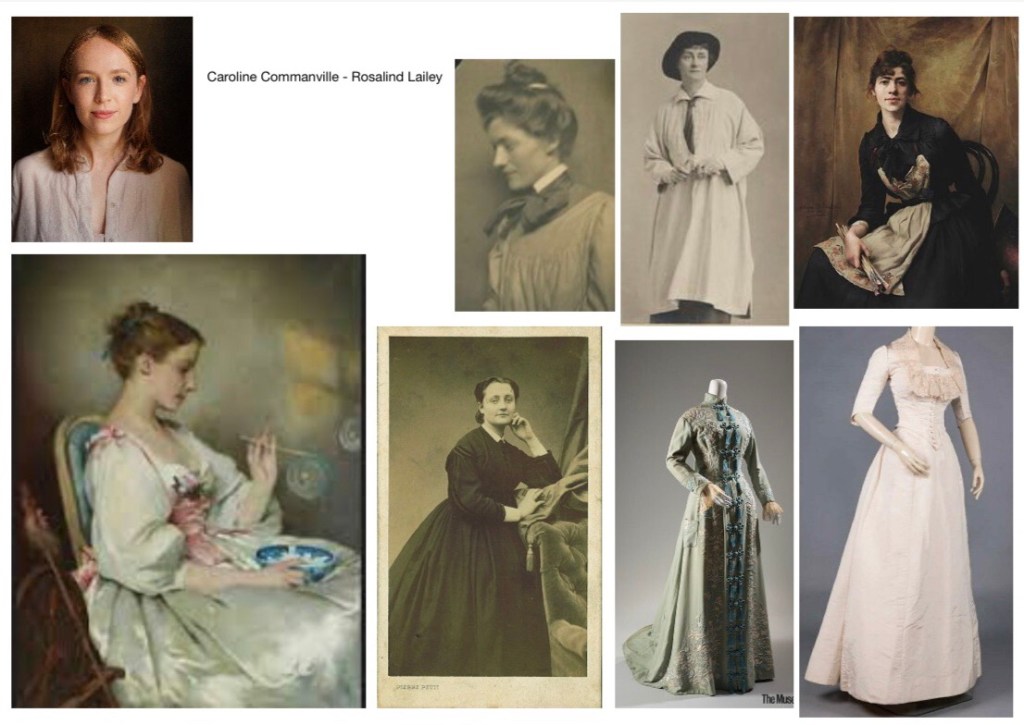
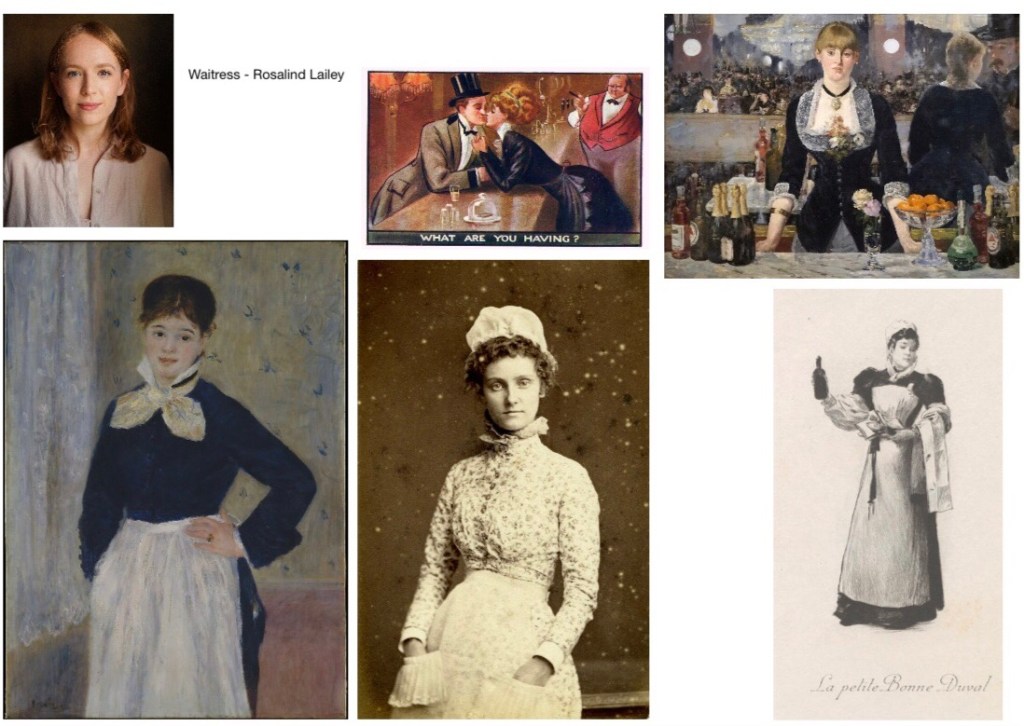
Model and Design Development photos by Isabella Van Braeckel
“[…]the characters, all cleverly reflected in Isabella Van Braeckel’s mirror-lined and Manet-inspired set.”
Miriam Gillinson, The Guardian
“The happy drunken scene feels like an impressionist painting: the writers are surrounded by indistinct reflections of themselves, in the blurry mirrors around the stage. They are living a charmed life, with a touch of unreality to it. But before long, the hideous spectres of debt and ill health have reared their heads. The mirrors are folded away, replaced by a bright window and bookshelves. The oysters are gone. The increasingly dishevelled Flaubert, in a fit of rage against his niece’s frugality, exclaims, “Wine and cheese? What are we, bohemians?!” ”
Rachel Edwards, Everything Theatre
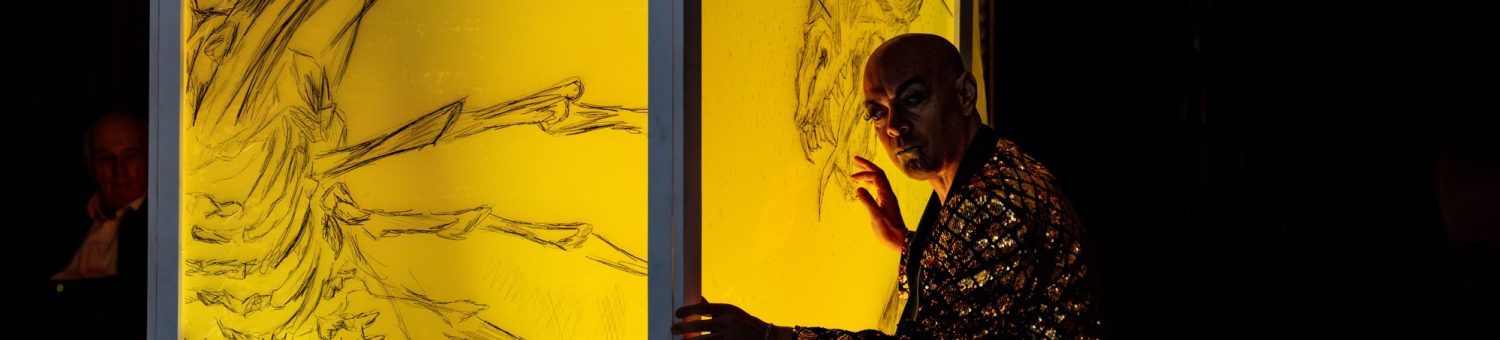
“Full marks to Isabella Van Braeckel for her imaginative set and costumes. The absurdly flamboyant, tatty Prospero-type robe Flaubert insists on wearing at home is splendid and as for the pale green dress worn by Lailey – where can I buy one? The set – never easy in Jermyn Street’s very restrictive playing space – ingeniously gives us white shutters which open to reveal the windows of Flaubert’s home. Closed they suggest the bare walls of a restaurant or railway station.”
Susan Elkin, Sardines Magazine
“A dinner party that lasts six years – or at least from the opulent – and opalescent – mirrored dining scene from 1874 to Rouen Station in 1880 it seems like it. […] Isabella van Braeckel’s design and costumes offer a sumptuary of dining table cloths, candles and those mirrored panels […] Van Braeckel’s set reverses those mirrors, strips sumptuary away and we’re first in Flaubert’s attic room in 1875, then in his modest palette-blanched Croisset farmhouse for the last three acts of 1879-80, bounded with windows that look out over farmland. […] the diminutive space van Braeckel has already shown herself respond to with particular inventiveness.”
Simon Jenner, Fringe Review
“The sets by Isabella van Braeckel are delightful, with beautiful views from windows both in Paris and later in Croisset, Flaubert’s Rouen home.”
Jane Darcy, The Reviews Hub
“Isabella Van Braeckel’s set is gorgeous, initially evoking a still-life painting, the table set for dinner, the backdrop a blurred-out mirror, like a Zoom filter, so you can’t quite see what’s there other than in glimpses. With a few deft removals of panels, this becomes a window over Paris and later the view of the countryside.”
Carole Gordon, North West End
“While designer Isabella Van Braeckel’s versatile set convincingly conjures the private rooms in which these public figures debate their art”
Tom Wicker, The Stage
“Isabella Van Braeckel’s period costumes and set work wonders in a small space.”
Dominic Maxwell, The Times
 Isabella Van Braeckel : Designer for Performance