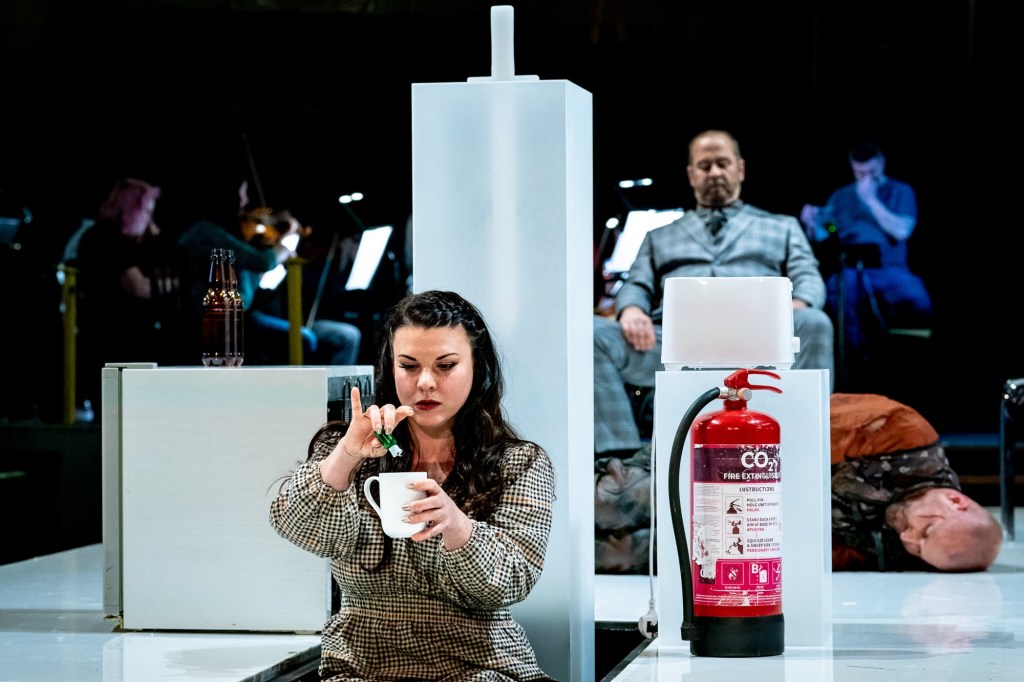
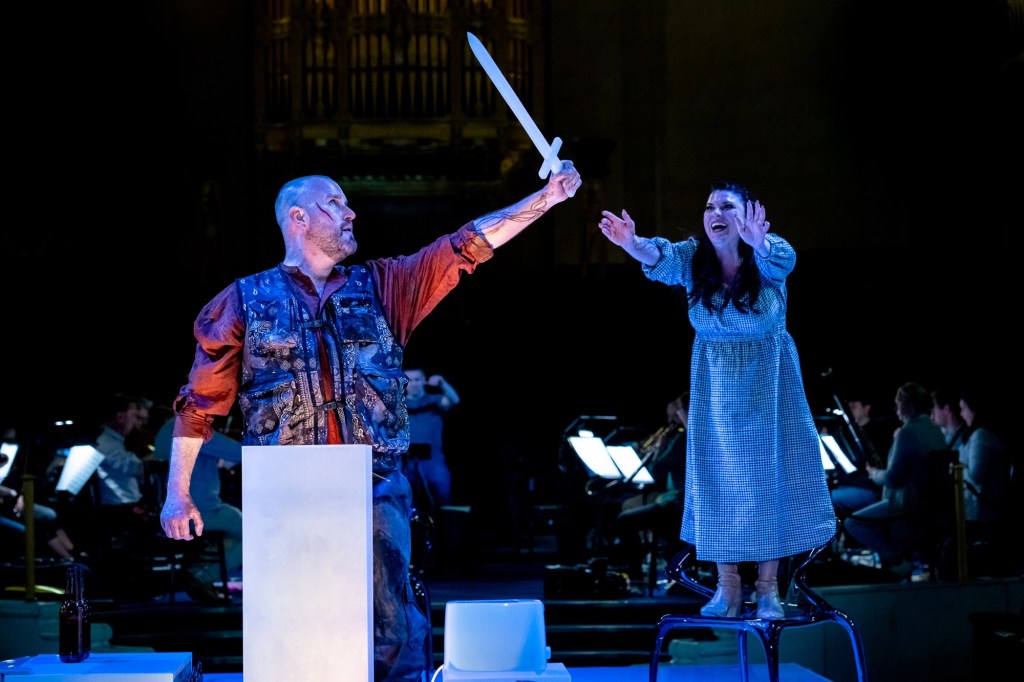
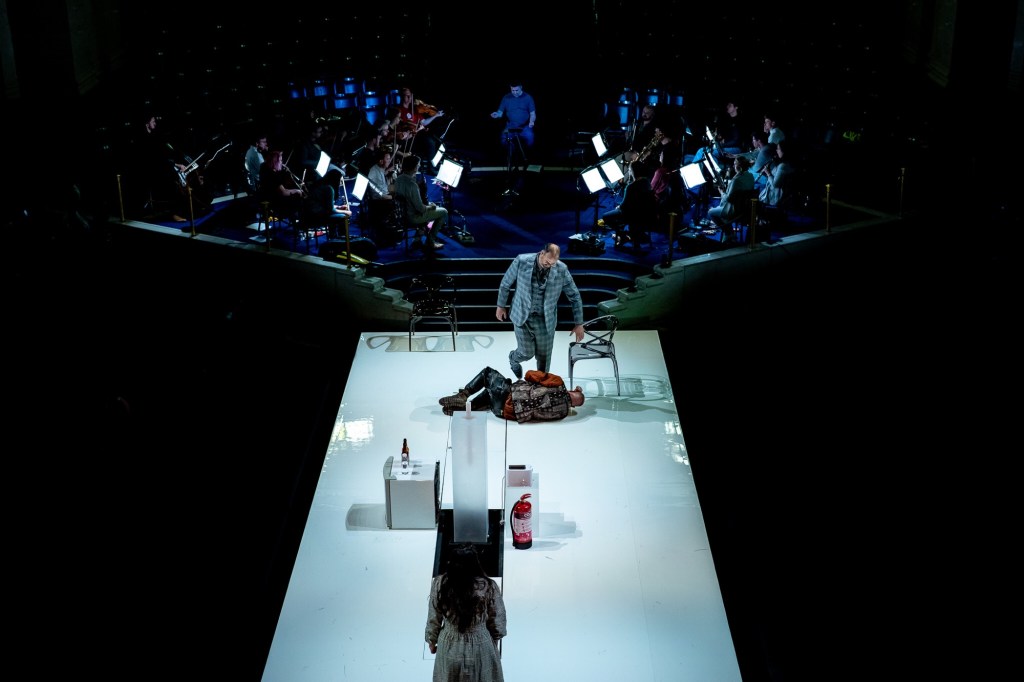
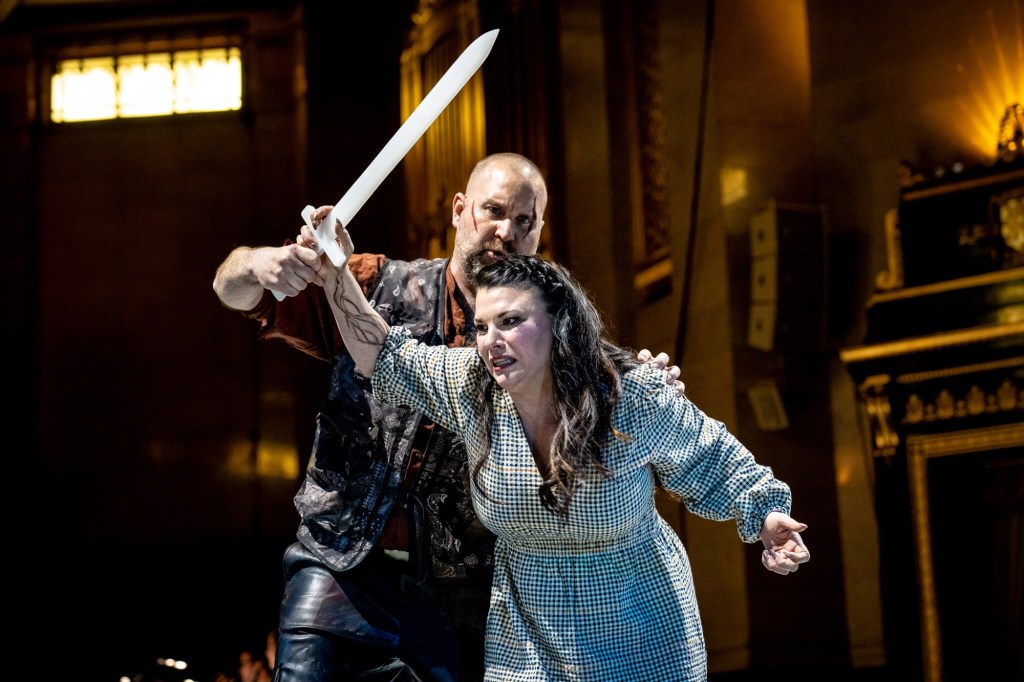
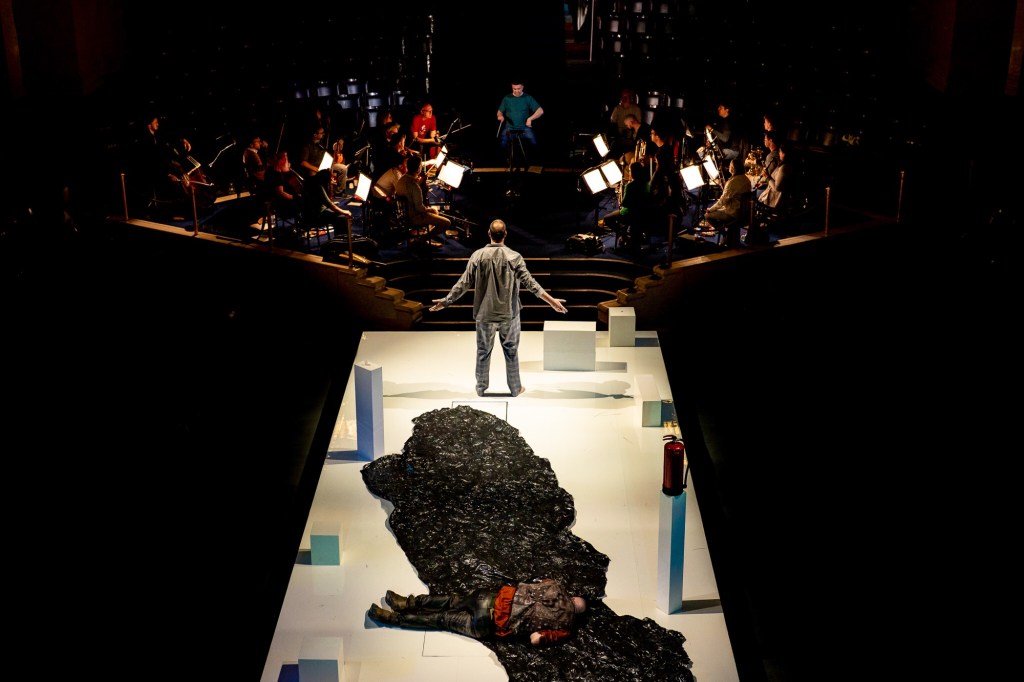
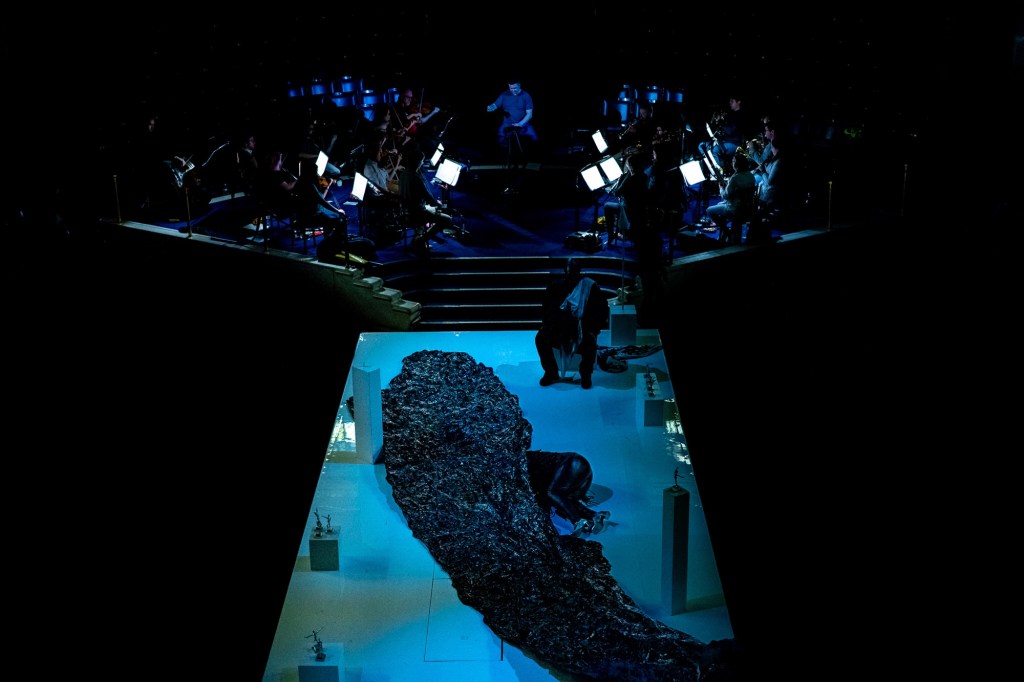
Sieglinde is saved by Siegmund from Hunding, Production photos by Steve Gregson
Set and Costume Design for Opera | Regents Opera, Freemasons Hall
Directed by Caroline Staunton
Written by Richard Wagner
Lighting Design by Mitch Broomhead
Arrangement & Musical Direction by Benjamin Woodward
Production Management by Adam Smith
Produced by Sarah Heenan & Adam Smith for Regents Opera
Costume Supervision by Cieranne Kennedy-Bell
HMUA by Tabitha Mei Bo-Li
Assistant HMUAs Bella Anselmo, Viviane Melo
Cast: Keel Watson, Gerrit Paul Groen Brian Smith Walters, Ingeborg Børch, Justine Viani, Charlotte Richardson, Gráinne Gillis, Caroline Carragher, Philippa Boyle, Catherine Backhouse, Shannon Roberts, Grace Maria Wain, Magdalen Ashman
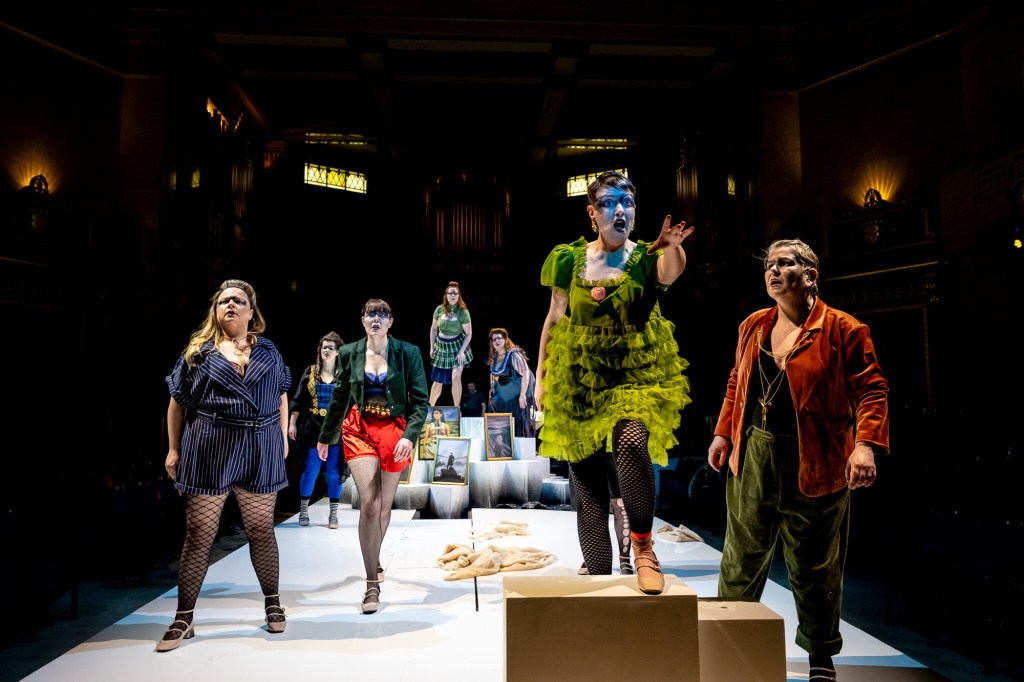
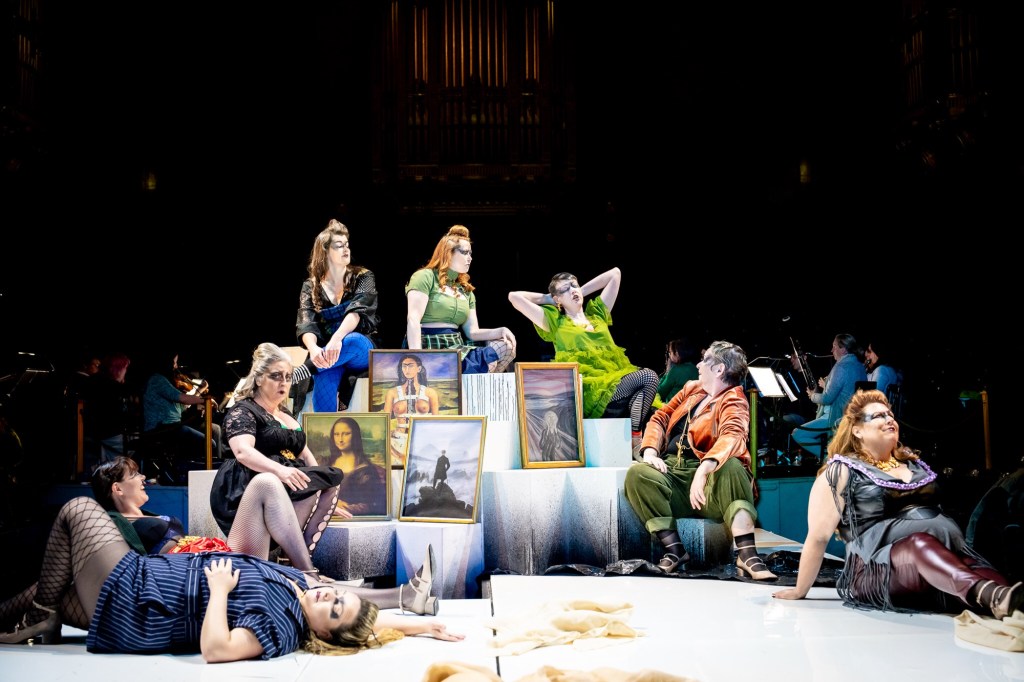
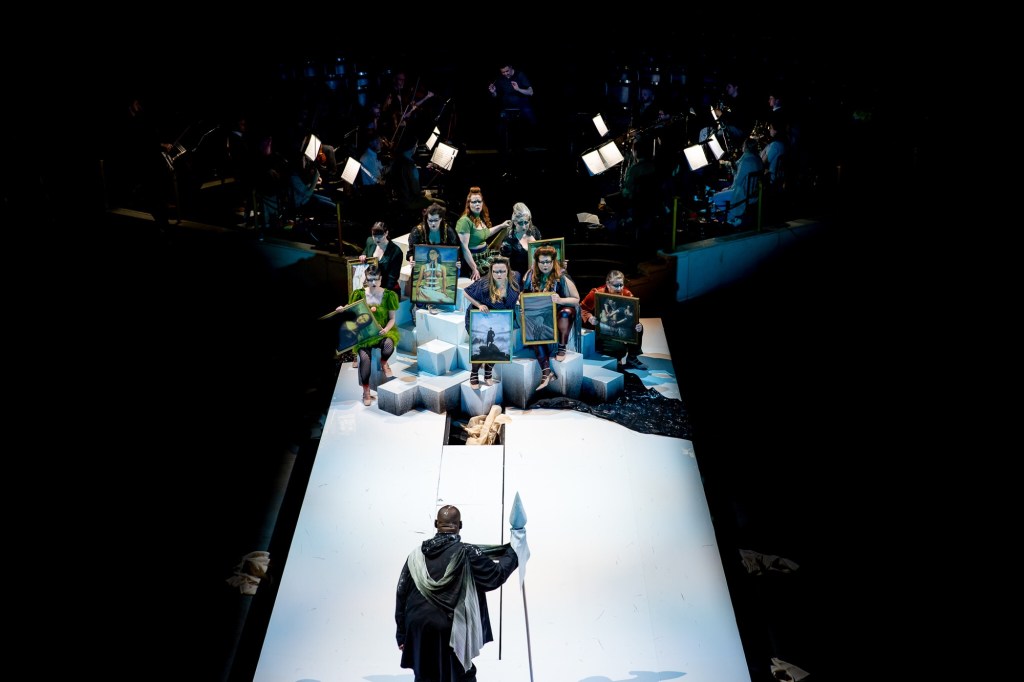
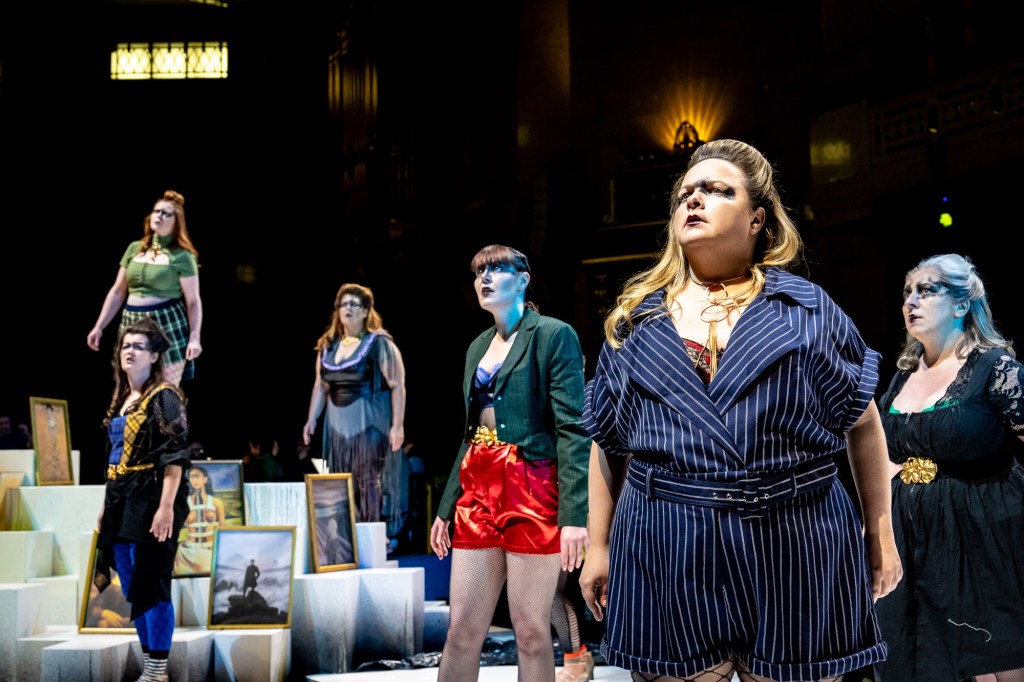
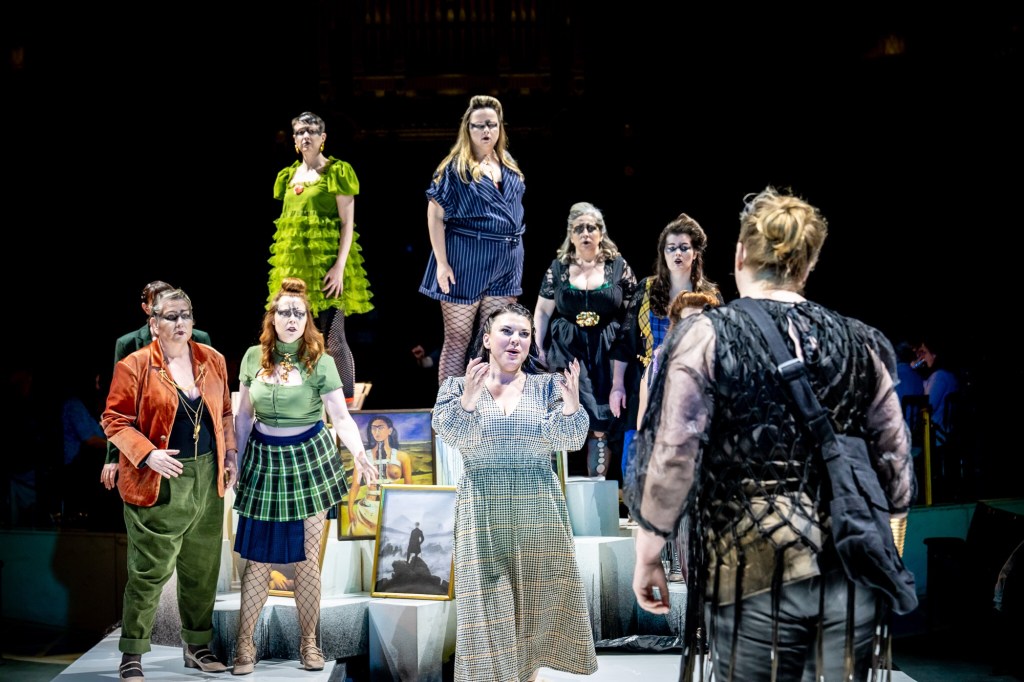
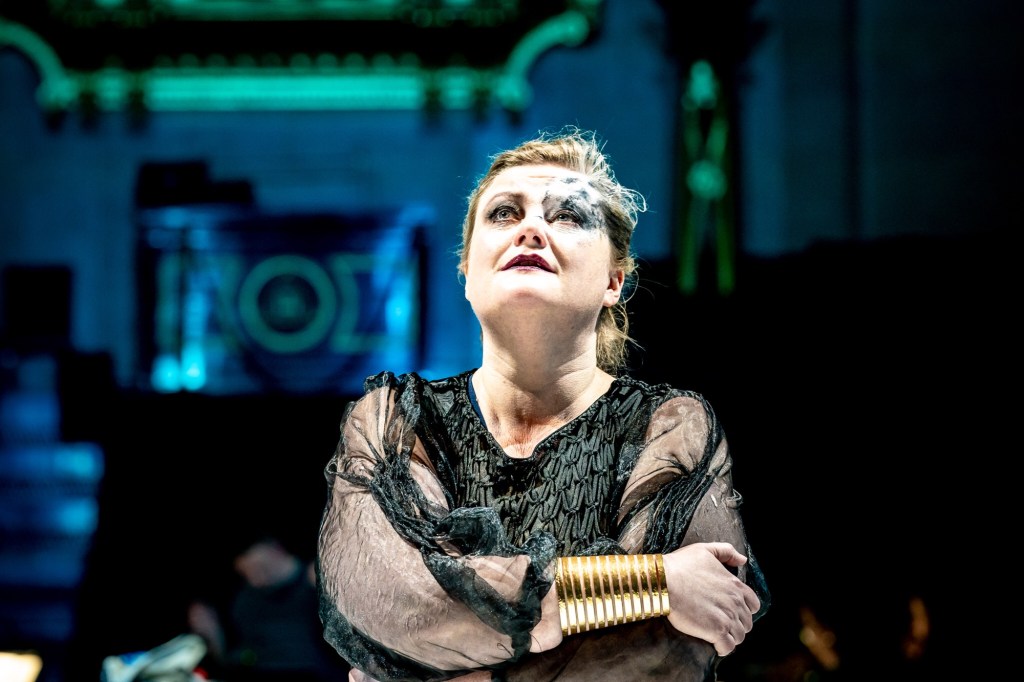
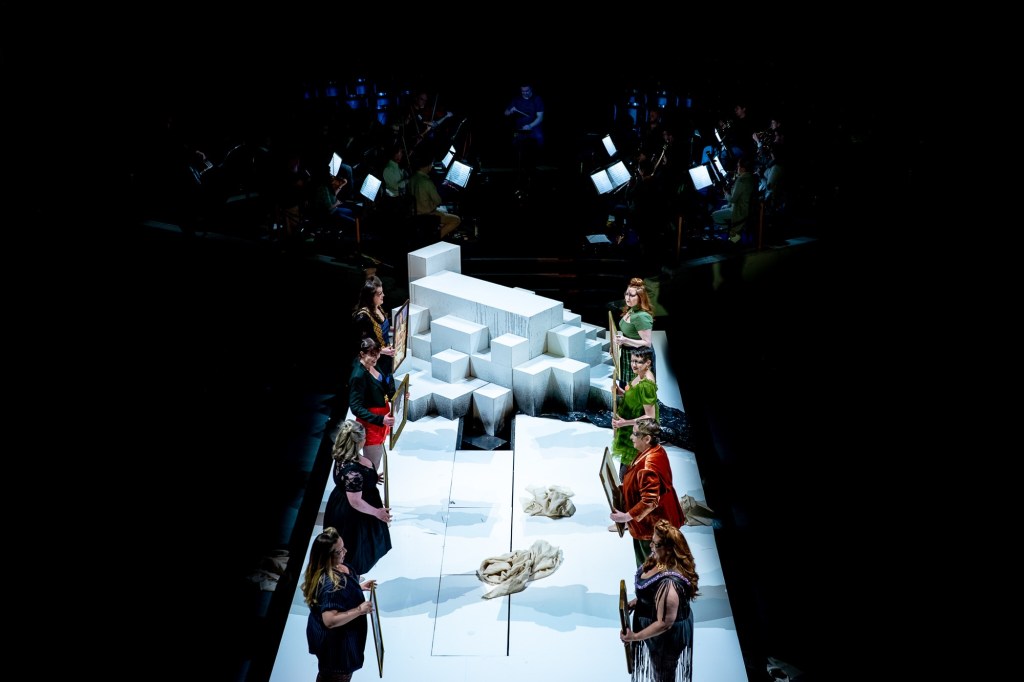
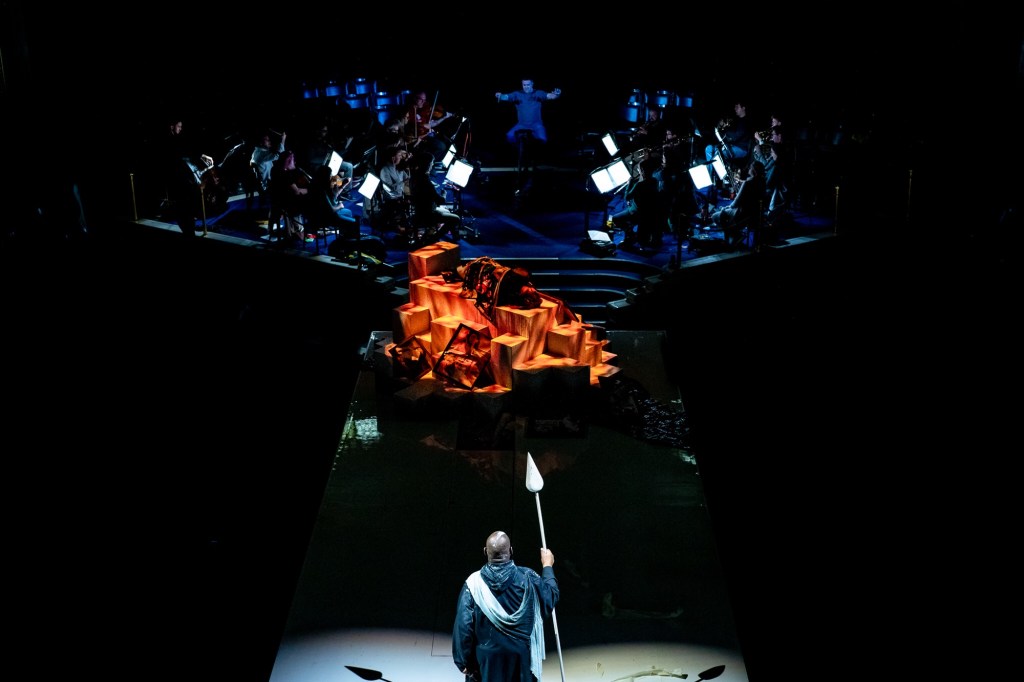
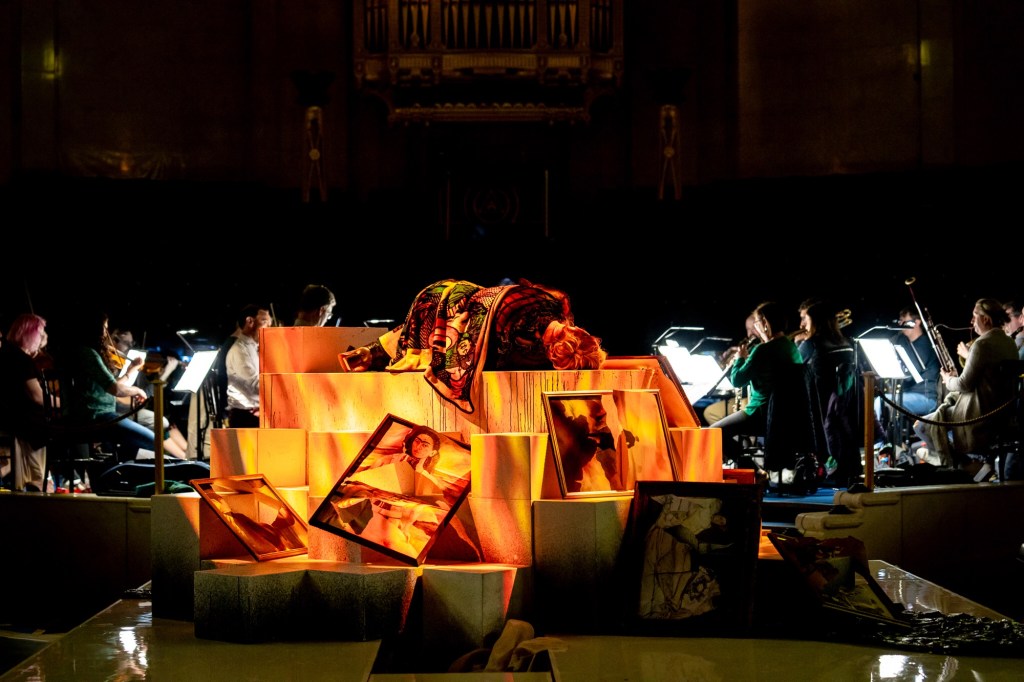
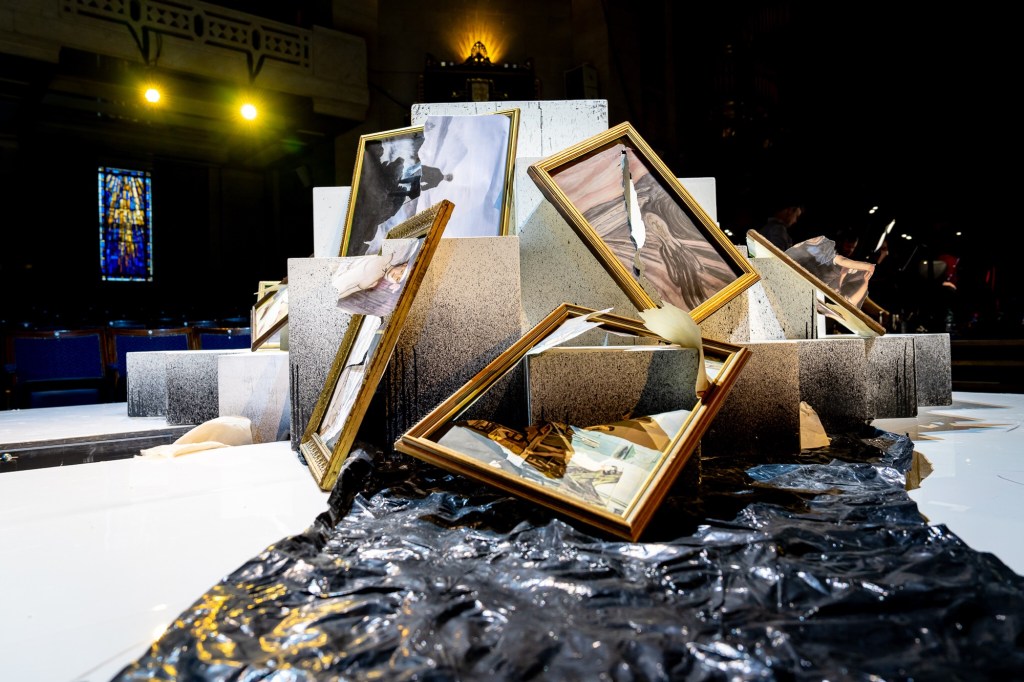
The Walkuren, Production photos by Steve Gregson
Die Walküre, the second opera of Regents Opera’s Ring Cycle carries the story of the gods to the next generation.
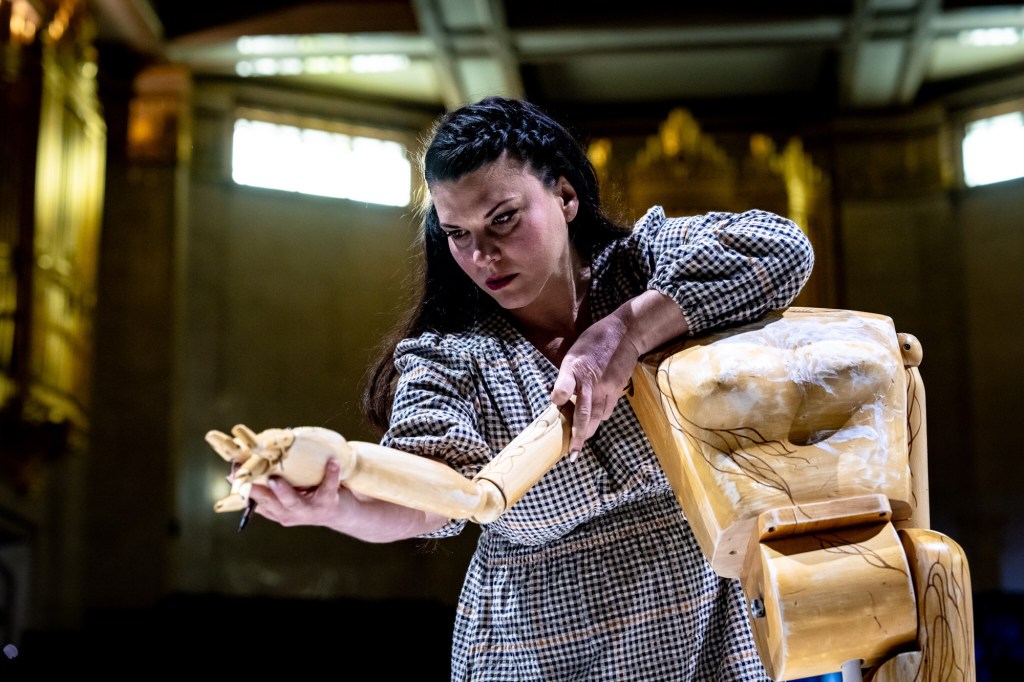
After Wotan breaks his promises in Das Rheingold, we see the start of the world decaying. Our first experience of humans is the darkly sadistic Hunding, a hunter usually portrayed as a rough outdoorsy type, I wanted our Hunding to be clinical, he’s methodic and mentally abusive. He had to have the feeling of an American Psycho to him. Sieglinde, a somewhat doll kept for his satisfaction, this then comes in stark contrast with the arrival of Siegmund, the rough, battle beaten twin and true love of Sieglinde.
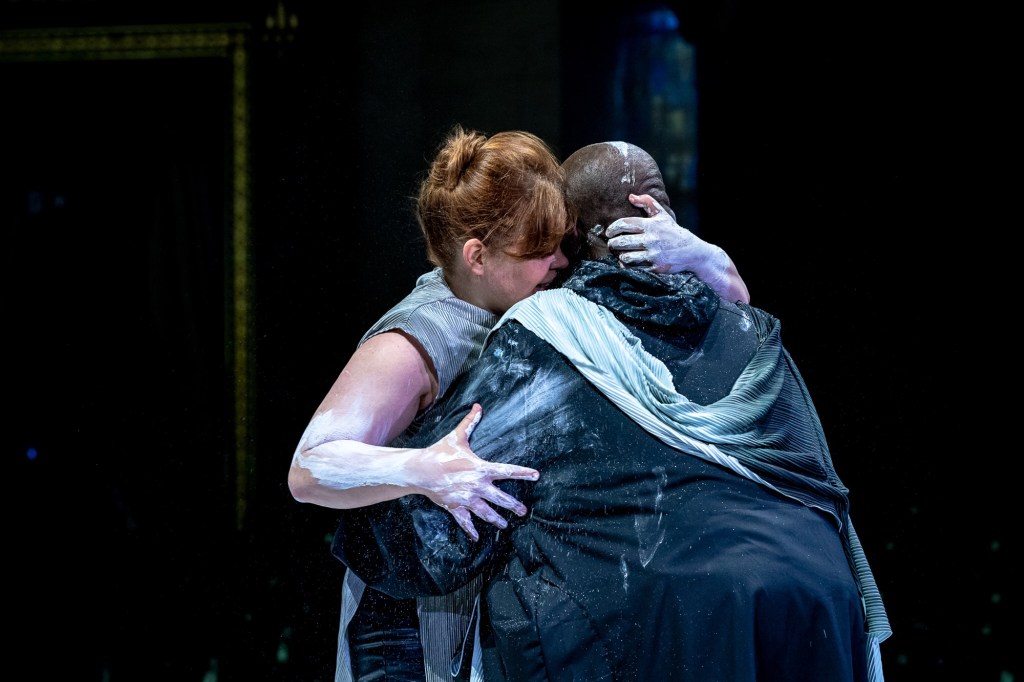
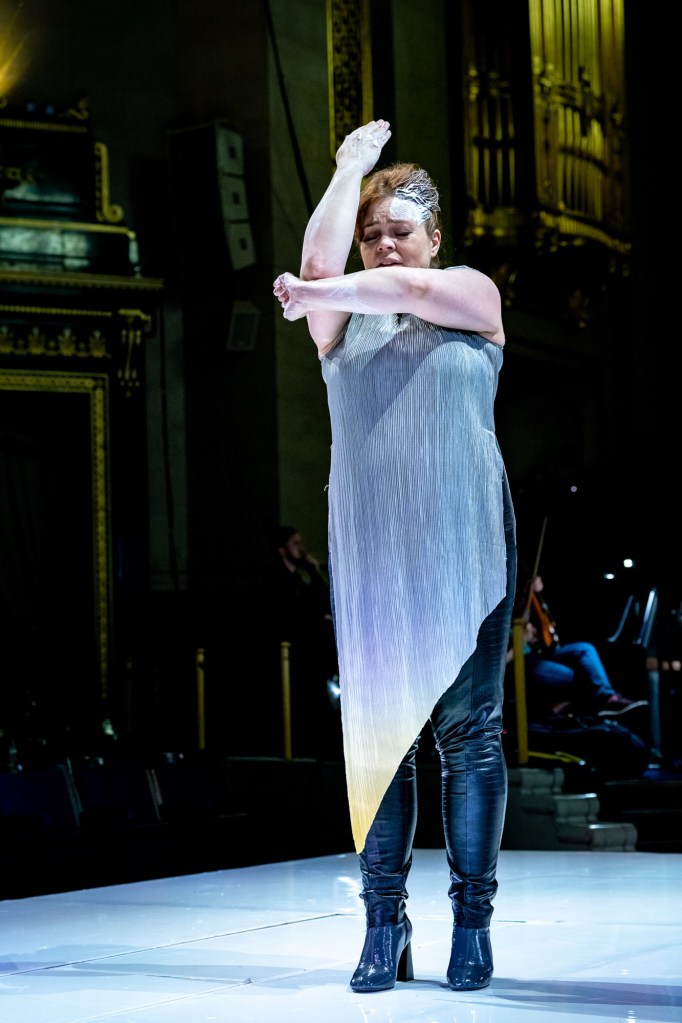
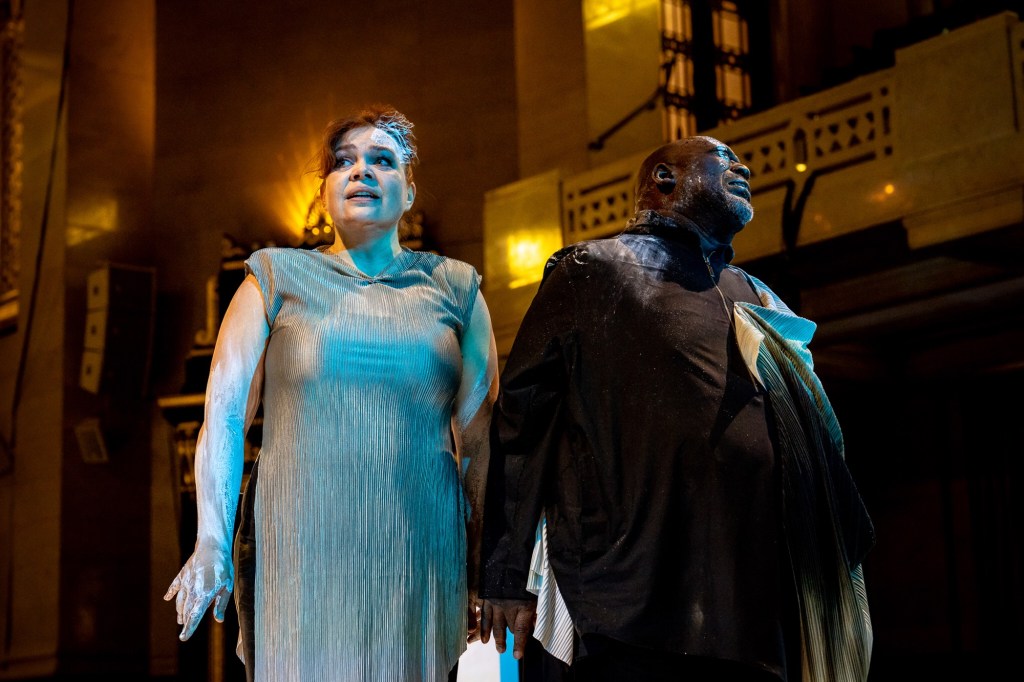
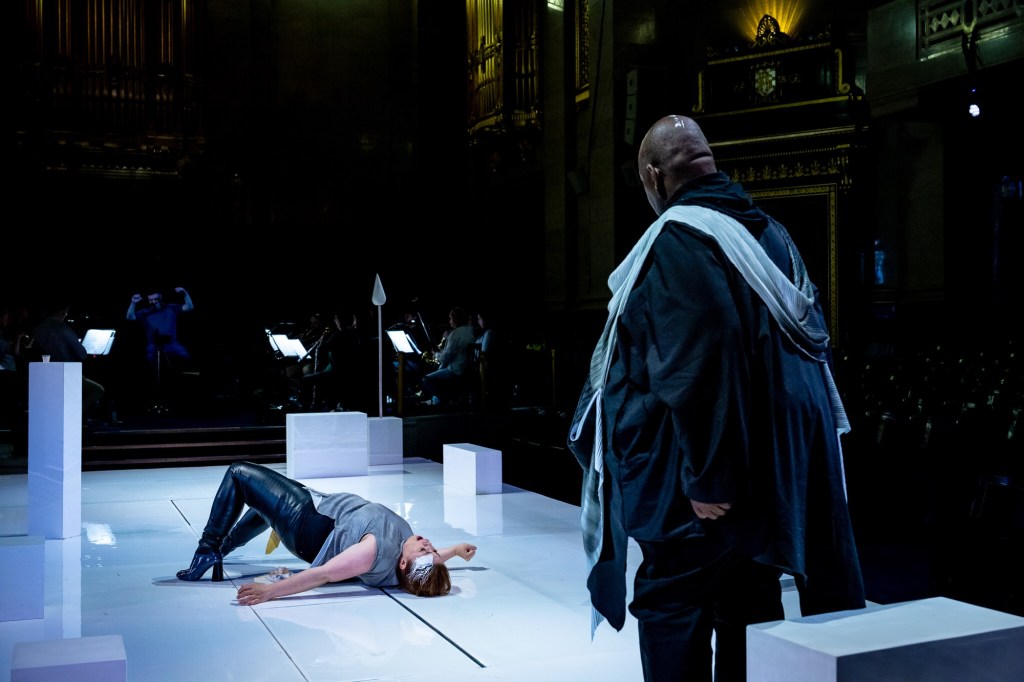
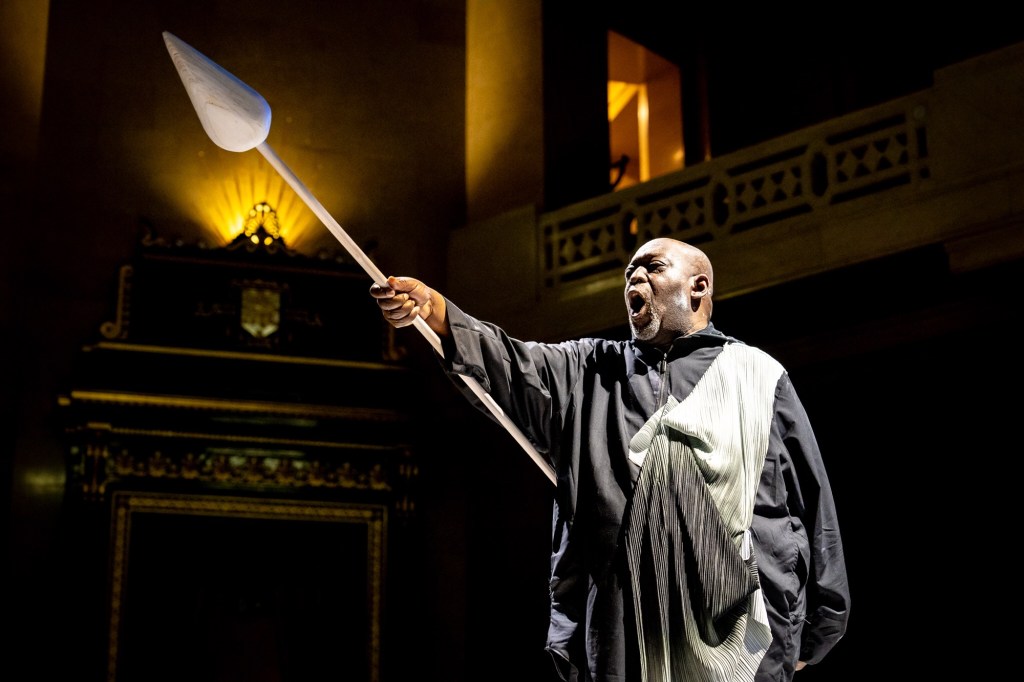
Wotan & Fricka, Production photos by Steve Gregson
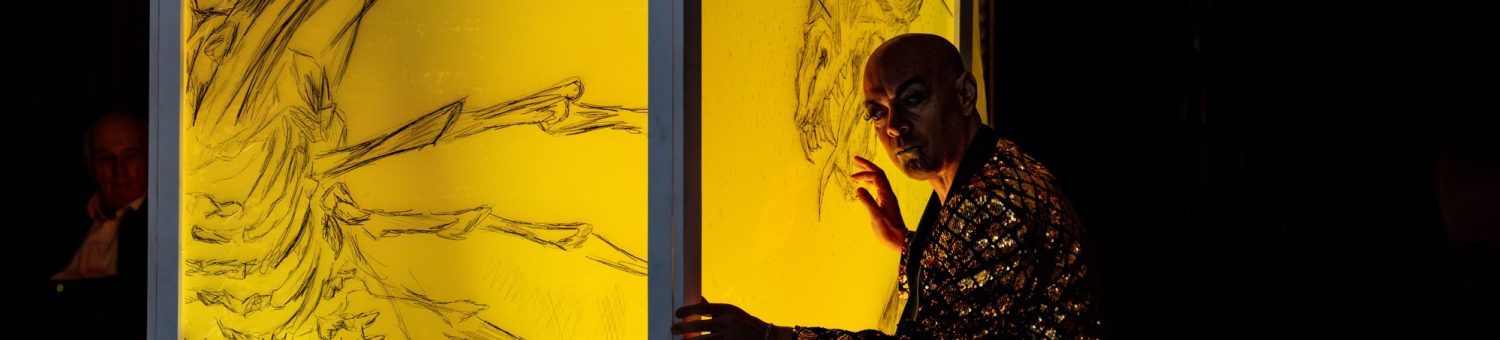
Colour has drained from the ‘rainbow’ world of Walhalla, stark black and white spans the stage and costuming – a darkness encroaching on the ‘purity’ of the gods.
The Walküren, in contrast, the teenage daughters of Wotan, strong, colourful and powerful young women tasked with carrying fallen heroes from Earth to Walhalla. These women, born of mixed birth and after Wotan’s omen begins unravelling, have their white face markings tarnished with a sooty black. Their ‘impurity’ punished as their Art, a representation of the soldiers, saved from Earth are then destroyed by the Nazi pure-mindedness of Wotan and the embodiment of his ‘Will’ and rage against his own false power.
“Die Walküre’s atmosphere is palpable; the will’s of the gods are clashing to cataclysmic consequences for the mortals, and Staunton gives us little reprieve from this razor-wire tension. One island of joy and triumph is the famous ‘Ride of the Valkyries’ which opens the third act. They’re ‘ho ja ta ho!’ battle cry is accompanied by fishnets, rather fabulous costume choices and some of the most famous paintings in history.”
Juliet Lewis, London Unattached
“Here, Wotan begins Act II seated with white on one side of his face, and desperately trying to shake off the gold that lies on the other. It is an excellent way of showing how he is trying to rid himself of the curse, and it also introduces an interesting dynamic because only Brünnhilde appears triumphant at this point when normally her father does as well.”
“As Wotan vents his rage in Act III, she [Wotan’s Will] wraps Brünnhilde in white tape, which shows how in beginning to be punished Brünnhilde is already taking on a greater purity. Similarly, Wotan’s black robe carries just a little more white in Act III revealing how, by accepting his fate, a little of his nobility actually returns.”
Sam Smith, Music OMH
“The entrance of the Valkyrie is especially exhilarating, the effect magnified by their giddy costumes, punk and goth-inspired in a variety of colours.”
Inge Kjemtrup, The Stage
“Being so close to the action brought a whole new level of engagement often lost in large opera houses, where facial expressions and small gestures go unremarked. […] The staging was minimal but functional, a place for the drama to unfold, rather than being a character in itself”
Florence Anna Maunders, Planet Hugill
 Isabella Van Braeckel : Designer for Performance